

How Pre-Competition Routines Help Athletes
For athletes, the moments before a competition can be just as important as the hours spent training. A consistent pre-competition routine can help an athlete transition from everyday distractions into a focused competitive mindset.
Whether it involves a warm-up, visualization, stretching, listening to music, reviewing tactics, or simply taking a few quiet moments to breathe, a routine gives athletes a familiar sequence of actions to follow before performance begins.
Pre-competition routines do not guarantee success, but they can help athletes prepare physically and mentally, manage nerves, and approach competition with greater consistency.
What Is a Pre-Competition Routine?
A pre-competition routine is a planned sequence of physical and mental activities an athlete performs before training, a game, a race, or another competitive event.
The routine can vary considerably depending on the sport and individual. A sprinter may focus on dynamic movements and explosive drills, while a basketball player might combine shooting practice with visualization and tactical preparation.
A routine may include:
- Light cardiovascular activity
- Dynamic stretching and mobility exercises
- Sport-specific warm-ups
- Hydration and nutrition
- Equipment checks
- Visualization
- Breathing exercises
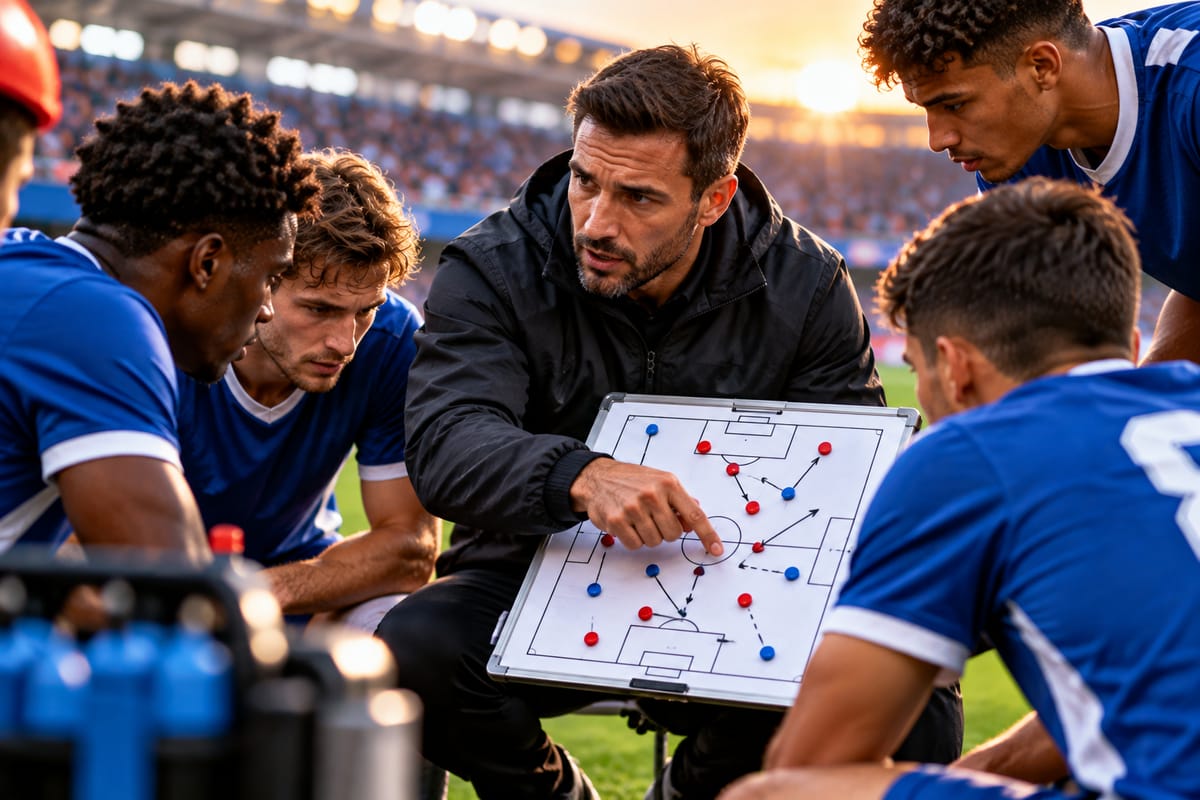
- Reviewing tactics or instructions
- Listening to music
- Positive self-talk
- Quiet reflection or meditation
The objective is not necessarily to create a complicated ritual. Instead, an effective routine provides a structured transition into competition.
Why Routines Matter Before Competition
Competition can introduce uncertainty that is rarely present during ordinary training. Athletes may face unfamiliar opponents, large crowds, important consequences, or expectations from coaches and teammates.
A familiar routine can provide something predictable in an environment where many factors are outside the athlete’s control.
Instead of wondering what to do next, an athlete can follow a sequence that has already been practiced. This can reduce unnecessary distractions and help direct attention toward preparation.
The routine can therefore become an anchor between preparation and performance.
Pre-Competition Routines Help Athletes Focus
Concentration is an important part of sports performance. Athletes need to direct their attention toward information that matters while avoiding distractions.
A pre-competition routine can help establish that focus before the event begins.
For example, an athlete might use the final 15 minutes before competition to complete a warm-up, review a few key tactical instructions, visualize the opening phase of the event, and perform controlled breathing.
This sequence creates a clear mental transition from preparation to execution.
Understanding how different physical and mental factors interact is part of The Complete Guide to Fitness for Athletes, particularly when athletes are developing preparation habits alongside their broader training programs.
Routines Can Help Manage Pre-Competition Nerves
Feeling nervous before competition is common. A certain amount of excitement can accompany the anticipation of performing, but excessive worry can make it difficult to concentrate.
A routine gives athletes specific actions to focus on.
Instead of repeatedly thinking about the result, an athlete can concentrate on controllable steps:
- Complete the warm-up.
- Check equipment.
- Review the game plan.
- Regulate breathing.
- Visualize important movements.
- Focus on the first task of the competition.
This approach does not eliminate nervousness. Rather, it can give the athlete a constructive way to respond to it.
Physical Preparation Is Part of the Routine
Mental preparation often receives considerable attention, but the physical component of a pre-competition routine is equally important.
A suitable warm-up can gradually prepare the body for the demands of the sport. Depending on the activity, it may include general movement, dynamic mobility, sport-specific drills, acceleration work, technical exercises, or progressively more intense movements.
The routine should reflect the demands of the upcoming event.
An endurance athlete may need a different preparation sequence from a power athlete. Similarly, an athlete competing in a cold outdoor environment may require different preparation from someone competing indoors.
The broader principles of preparation, adaptation, movement, and performance are explored in Understanding Athletic Performance Principles.
Mental Rehearsal Can Prepare Athletes for Competition
Visualization is another technique commonly incorporated into pre-competition routines.
During mental rehearsal, an athlete imagines performing specific movements, responding to situations, or executing important skills. The athlete may visualize a successful start, a difficult opponent, a technical movement, or a particular tactical situation.
The purpose is not to imagine that everything will go perfectly. Instead, visualization can help athletes become mentally familiar with situations they may encounter.
For some athletes, imagining how they will respond to challenges can also make competition feel more manageable.
Confidence and Consistency Go Together
Confidence can influence how athletes approach competition, particularly when they are facing pressure or uncertainty.
A routine can contribute to confidence by giving athletes a familiar process they trust. Completing the same preparation sequence before competition can reinforce the feeling that they are ready to perform.
This does not mean a routine creates confidence by itself. Confidence is influenced by many factors, including training, experience, preparation, previous performances, coaching, and expectations.
Athletes interested in the psychological side of competition can explore How Confidence Affects Sports Performance to understand how belief and performance can interact.
Routines Reduce Unnecessary Decisions
Competition days can involve dozens of small decisions.
What should the athlete eat? When should they warm up? When should they put on equipment? What should they focus on? Should they stretch again? When should they begin mentally preparing?
A well-established routine can answer many of these questions in advance.
This can make preparation more organized and reduce the amount of attention spent on minor choices. The athlete can reserve more mental energy for the competition itself.
However, routines should not become so rigid that an unexpected change causes panic. Good routines should provide structure while leaving enough flexibility to respond to circumstances.
The Importance of Practicing the Routine
Athletes should not necessarily create a completely new routine on competition day.
A routine works best when it becomes familiar through repetition. Athletes can test different preparation strategies during training sessions, practice competitions, or lower-pressure events.
This allows them to determine:
- Which warm-up activities work well
- How much time they need
- Which foods and fluids are comfortable
- Whether music improves focus
- Which breathing techniques feel useful
- How much visualization they prefer
- Which tactical reminders are most important
The athlete can then refine the routine over time.
Routines Should Be Individualized
There is no universal pre-competition routine that works for every athlete.
Some athletes prefer a quiet environment and minimal conversation. Others become more energized by talking with teammates or listening to music.
Some need a longer physical warm-up, while others perform better with a shorter preparation period.
The sport, position, competition format, age, experience, environment, and individual preferences can all influence the ideal routine.
The most useful routine is generally one that supports the athlete’s actual needs rather than copying another competitor’s habits.
Avoiding an Overly Complicated Routine
More preparation is not necessarily better preparation.
An athlete who creates a routine containing dozens of steps may eventually become dependent on completing every detail perfectly. If something changes, the athlete could become distracted by the routine itself.
A simpler approach can often be easier to maintain.
For example, a routine might consist of:
Physical preparation → tactical review → mental preparation → controlled breathing → competition.
The specific activities can then be adjusted according to the sport and athlete.
The goal is to arrive at competition prepared, focused, and physically ready—not to complete an elaborate ritual.
Recovery Also Influences Readiness
A pre-competition routine cannot compensate for inadequate recovery.
Sleep, rest, nutrition, hydration, training load, and recovery between sessions all contribute to an athlete’s ability to perform.
An athlete who arrives at competition exhausted may not benefit as much from an otherwise well-designed warm-up or visualization routine.
That is why preparation should be viewed as a complete process rather than something that begins shortly before competition. Sports Recovery Explained: Rest, Adaptation and Readiness provides additional context on how recovery contributes to readiness.
How Coaches Can Help Athletes Build Routines
Coaches can play an important role in helping athletes establish effective preparation habits.
Rather than prescribing an identical routine to everyone, coaches can help athletes experiment with different approaches and evaluate how they respond.
A coach might ask:
- Does the warm-up leave you feeling ready or tired?
- When do you feel most focused?
- Which instructions do you need immediately before competition?
- Does music help or distract you?
- How do you normally respond to nervousness?
- How much time do you need between warming up and competing?
These observations can help create a routine that is practical and repeatable.
What a Pre-Competition Routine Might Look Like
A hypothetical routine for an athlete could look something like this:
60–45 minutes before:
Hydrate, check equipment, and begin general preparation.
45–25 minutes before:
Complete a sport-specific warm-up and mobility exercises.
25–15 minutes before:
Practice key technical movements or skills.
15–10 minutes before:
Review a few tactical priorities rather than trying to absorb large amounts of information.
10–5 minutes before:
Use visualization, controlled breathing, or another preferred mental preparation technique.
Final minutes:
Focus attention on the first action or responsibility of the competition.
This is only an example. The timing and activities should be adapted to the athlete and sport.
When Routines Need to Change
A routine should provide consistency without becoming permanent.
Athletes may need to adjust their preparation when their training changes, their sport changes, they return from injury, competition conditions change, or they discover that a particular strategy is no longer useful.
Even small adjustments can be tested during practice before being introduced into an important competition.
The key is to avoid making major experimental changes immediately before a high-pressure event.
Turning Preparation Into a Performance Habit
The greatest value of a pre-competition routine may come from turning preparation into a repeatable habit.
When athletes consistently warm up, organize their equipment, review their priorities, regulate their breathing, and focus their attention before competition, these actions can become a familiar part of their performance process.
A routine cannot control the opponent, weather, officials, crowd, or final result. What it can do is help athletes control the preparation that is within their reach.
For many competitors, that sense of structure can make the transition from training to competition smoother and help them enter the event ready to perform.



2 Comments
Micle harison
June 7, 2019Lorem ipsum dolor sit amet, usu ut perfecto postulant deterruisset, libris causae volutpat at est, ius id modus laoreet urbanitas. Mel ei delenit dolores.
John Doe
June 7, 2019Some consultants are employed indirectly by the client via a consultancy staffing company.