
**How Technology Has Changed the Entertainment Industry
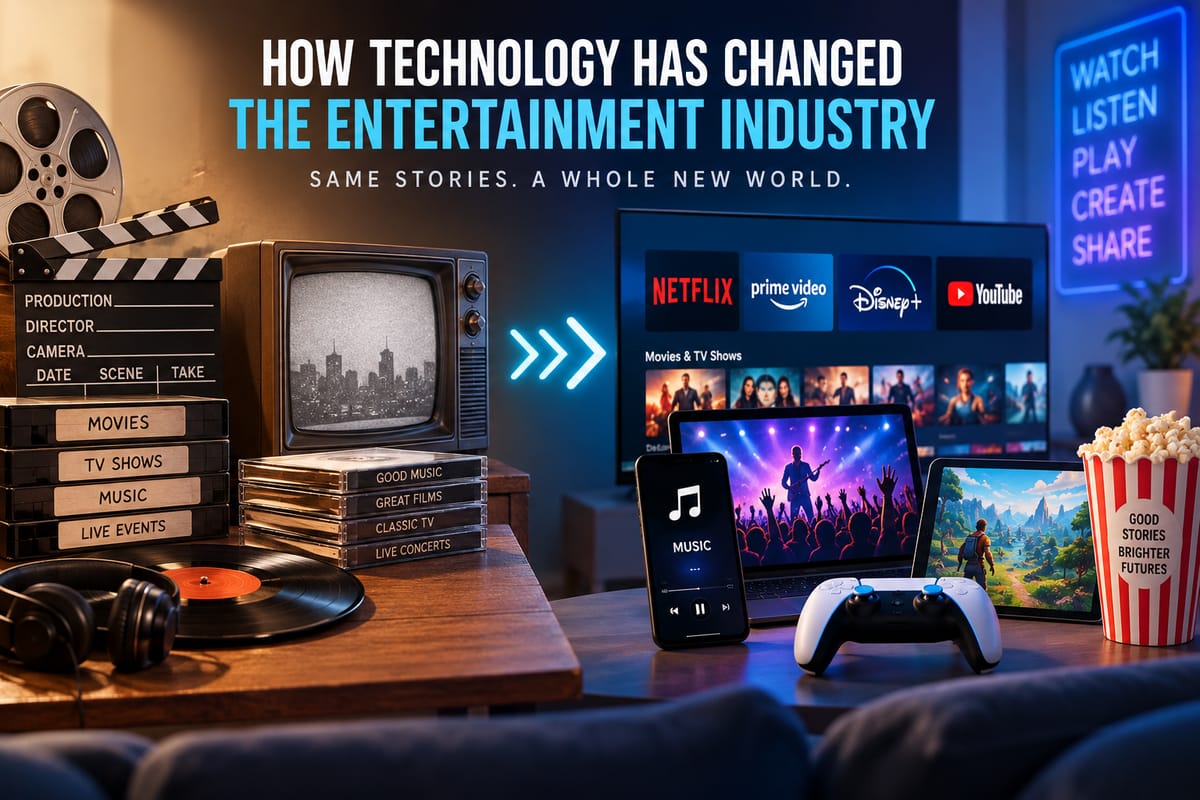
Technology has transformed the entertainment industry from a business built around scheduled broadcasts, physical media, theaters, and live performances into an always-connected digital ecosystem.
People can now watch films on demand, listen to almost any song from a smartphone, play games with people around the world, follow creators directly, and experience live events through digital platforms. At the same time, technology has changed how entertainment is produced, distributed, marketed, and monetized.
The transformation has created new opportunities for established entertainment companies while allowing independent creators to reach audiences without relying entirely on traditional studios, broadcasters, or record labels.
From Physical Media to Digital Entertainment
For much of the modern entertainment industry’s history, audiences depended on physical or scheduled formats. Films were distributed through cinemas and later home video. Television programs appeared at predetermined times. Music was purchased through records, cassettes, CDs, and downloads.
Digital technology gradually changed each of these models.
Computers made it possible to create, store, copy, and distribute media in digital formats. Faster internet connections then made it practical to deliver increasingly large files and eventually high-quality video and audio directly to consumers.
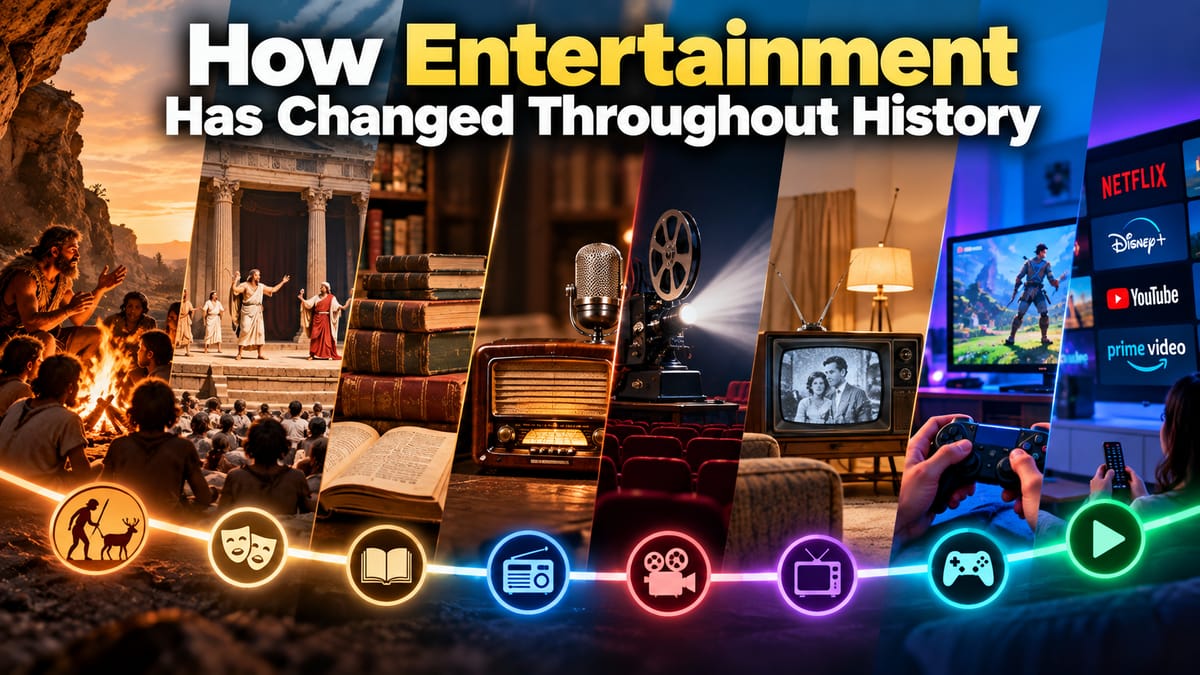
This shift is an important part of the Evolution of Modern Entertainment Media, which traces how entertainment moved from traditional formats toward today’s digital environment.
Streaming Changed How People Watch Television
One of the most visible technological changes has been the rise of streaming.
Traditional television schedules required viewers to organize their time around broadcasters. Streaming reversed much of that relationship. Audiences can increasingly choose what they want to watch and when they want to watch it.
Subscription platforms, advertising-supported services, and free streaming channels have expanded the number of ways people can access television programs, movies, documentaries, and other video content.
The broader landscape is covered in the Television and Streaming: Complete Entertainment Guide, which examines how television has adapted to the changing digital environment.
Entertainment Became More On Demand
Technology has given consumers much greater control over their entertainment choices.
Instead of waiting for a particular program to air or traveling to a store to purchase a movie, consumers can often access content within seconds. Search functions, personalized libraries, recommendations, playlists, and digital downloads have made entertainment more convenient.
This change has affected expectations as well. Audiences increasingly expect entertainment to be available across multiple devices and accessible whenever it fits their schedules.
The shift is explored in How Streaming Changed Entertainment Consumption.
Smartphones Put Entertainment in People’s Pockets
The smartphone has become one of the most important entertainment technologies.
A single device can function as a television, music player, gaming console, camera, social-media platform, reading device, and communication tool.
People can watch short videos while commuting, listen to podcasts while exercising, stream music during work, play games while traveling, or watch full-length programs from virtually anywhere with an internet connection.
This has blurred the traditional boundaries between different forms of entertainment.
Social Media Changed the Relationship Between Creators and Audiences
Technology has also changed who can become an entertainment creator.
Social-media platforms allow individuals to publish videos, music, comedy, commentary, photography, and other creative work directly to audiences. A creator no longer necessarily needs access to a major studio or broadcaster to build a following.
This has contributed to the growth of creator-driven entertainment.
Audiences can also interact directly with performers and creators through comments, livestreams, fan communities, and social platforms. Entertainment has consequently become more interactive rather than simply something consumed from a distance.
Technology Changed Music Distribution
The music industry has undergone one of the most dramatic technological transformations.
Digital recording tools made music production more accessible, while online distribution reduced dependence on physical products. Streaming services subsequently changed how listeners discover and consume music.
Playlists, algorithmic recommendations, digital radio, and social-media trends can introduce listeners to artists they might never have encountered through traditional music distribution.
Artists can also communicate directly with fans, promote new releases, sell merchandise, and organize performances through digital channels.
Video Games Became Connected Experiences
Gaming has evolved far beyond the traditional model of playing a title alone on a physical console or computer.
Online multiplayer technology allows players to compete and cooperate with people around the world. Digital storefronts allow games to be downloaded without physical discs. Cloud infrastructure supports persistent online worlds, while livestreaming platforms have turned gaming itself into a spectator activity.
Modern games can also function as social spaces where players communicate, form communities, and attend virtual events.
Technology has therefore expanded gaming from a conventional entertainment product into a broader interactive ecosystem.
Artificial Intelligence Is Creating New Possibilities
Artificial intelligence is becoming another significant force across entertainment.
AI tools can assist with tasks such as editing, recommendation systems, visual effects, animation, sound processing, translation, and content discovery. Production teams can use software to automate certain repetitive tasks and explore creative possibilities more quickly.
At the same time, AI has raised important questions about copyright, consent, employment, originality, and the use of performers’ voices and likenesses.
The technology is therefore likely to remain both an opportunity and a source of debate as entertainment companies determine how it should be incorporated into creative workflows.
Special Effects Became More Advanced
Digital visual-effects technology has dramatically expanded what filmmakers and television producers can put on screen.
Computer-generated imagery can create environments, characters, creatures, and effects that would be difficult or impossible to produce practically. Digital compositing allows filmmakers to combine multiple visual elements into a single scene.
Virtual production has also introduced new approaches to filmmaking, allowing performers to work in environments created digitally in real time.
These technologies have made large-scale storytelling more flexible while changing the skills required throughout film and television production.
The Internet Changed Entertainment Marketing
Technology has transformed how entertainment companies promote new releases.
Traditional marketing depended heavily on television advertisements, radio, newspapers, magazines, billboards, and other established media. Digital marketing has added search engines, social networks, online video, email, influencers, targeted advertising, and streaming-platform recommendations.
Entertainment companies can now monitor audience engagement in much greater detail.
They can identify which trailers attract attention, which promotional campaigns generate discussion, and which audiences respond to particular types of content.
Marketing has consequently become more data-driven.
Recommendation Algorithms Influence What People Discover
Digital entertainment platforms collect information about viewing, listening, searching, and engagement behavior. This information can be used to recommend additional content.
Recommendation systems can make enormous entertainment libraries easier to navigate. Instead of searching through thousands of titles manually, users may receive personalized suggestions based on their previous activity.
However, recommendation systems can also influence what becomes popular.
A piece of content that receives strong engagement may be recommended to increasingly large audiences, creating a cycle in which technology helps determine what people discover and consume.
Entertainment Became More Global
The internet has dramatically reduced geographic barriers to entertainment distribution.
A film, song, video, or game created in one country can reach audiences around the world without requiring the same physical distribution infrastructure that traditional media depended on.
Subtitles, dubbing, automated translation, and international streaming platforms have further expanded access to foreign entertainment.
This has helped audiences discover different cultures and creative traditions while giving creators access to markets far beyond their home countries.
Technology Changed How Entertainment Companies Make Money
Technological change has also transformed entertainment economics.
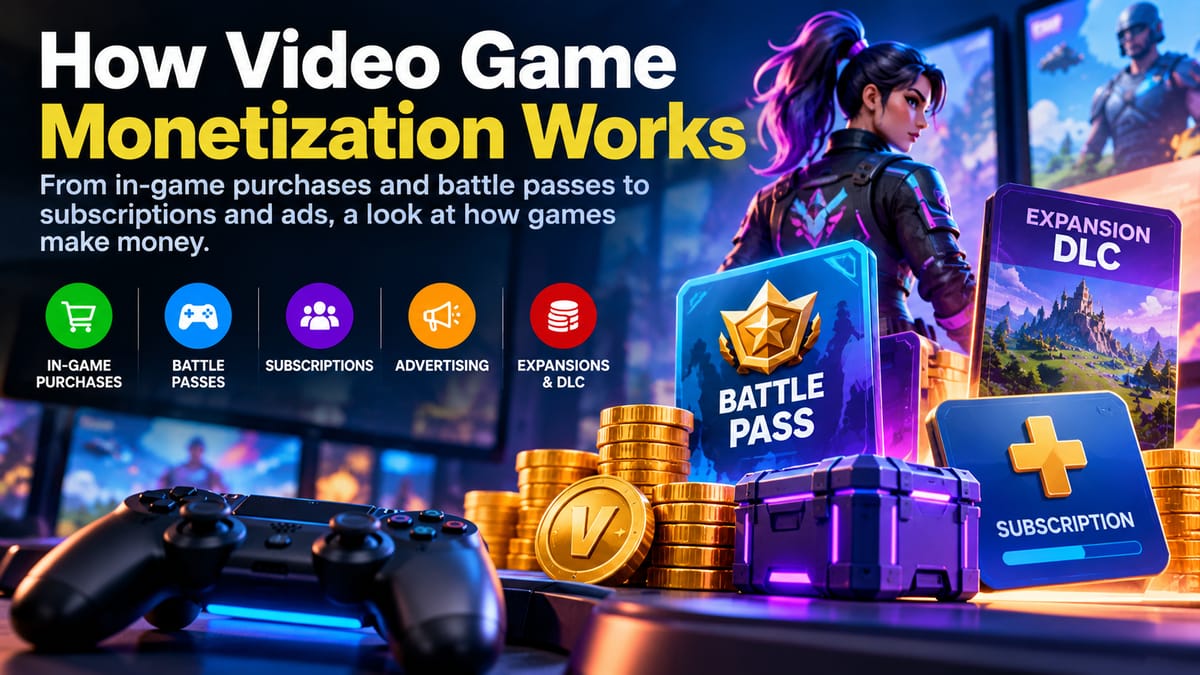
Traditional revenue models often relied on ticket sales, physical media, advertising, licensing, and broadcast rights. Digital entertainment has introduced subscription services, digital purchases, advertising-supported platforms, sponsorships, creator monetization, virtual goods, and other revenue streams.
The industry’s financial structure is explored in How the Entertainment Industry Makes Money.
For companies, the challenge is increasingly about balancing audience growth with sustainable revenue. A large audience does not automatically translate into profitability, particularly when platforms face substantial content, technology, marketing, and distribution costs.
Independent Creators Have More Opportunities
Technology has lowered some of the barriers to entering entertainment.
Affordable cameras, microphones, editing software, distribution platforms, and social networks allow individuals and small teams to produce professional-looking content without the resources historically required for large productions.
Some creators can build businesses around advertising, memberships, sponsorships, merchandise, digital products, live events, or subscriptions.
This does not mean success has become easy. Competition for audience attention is intense, and creators must often handle production, marketing, business operations, and community management themselves.
Nevertheless, digital technology has created opportunities that were far less accessible in previous entertainment models.
Audiences Became Participants
Traditional entertainment generally established a clear distinction between creator and audience.
Digital platforms have weakened that boundary.
Viewers can comment on programs, share clips, create fan edits, remix content, participate in livestreams, publish reviews, and produce their own responses. A popular piece of entertainment can become the starting point for an entire online conversation.
This participatory culture has become an important characteristic of modern entertainment.
The Rise of Immersive Entertainment
Virtual reality, augmented reality, spatial computing, and other emerging technologies are creating new ways to experience digital content.
Instead of viewing entertainment entirely through a conventional screen, audiences can increasingly interact with virtual environments and digital objects.
These technologies are still developing, and widespread adoption depends on factors such as device costs, comfort, content availability, and technical capabilities.
Even so, immersive technology demonstrates how entertainment may increasingly become something audiences experience rather than simply watch.
Technology Also Created New Challenges
The benefits of technological innovation have come alongside significant challenges.
Digital piracy has affected the economics of entertainment for decades. Platforms must also deal with misinformation, copyright disputes, account fraud, privacy concerns, harmful content, and increasingly sophisticated forms of artificial manipulation.
Creators face another challenge: capturing attention in an environment where audiences have virtually unlimited entertainment options.
For consumers, convenience can sometimes come at the cost of spending more time on screens or becoming dependent on recommendation systems to choose what they watch or listen to.
What Comes Next for Entertainment?
Technology will likely continue to reshape entertainment as internet infrastructure, artificial intelligence, immersive devices, cloud computing, and digital production tools become more capable.
The biggest changes may not come from one particular device or platform. Instead, they are likely to emerge from the way multiple technologies work together.
A smartphone can connect a person to streaming services, social networks, games, digital payments, artificial intelligence, and live events through a single device. Entertainment is increasingly becoming a connected ecosystem rather than a collection of separate industries.
Technology has therefore changed far more than how people watch movies or listen to music. It has transformed how entertainment is created, distributed, discovered, experienced, marketed, and monetized.
The modern entertainment industry is more accessible, more interactive, more global, and more personalized than previous generations could have imagined. Its next transformation will depend on how creators, companies, platforms, and audiences adapt to technologies that are continuing to evolve.



2 Comments
Micle harison
June 7, 2019Lorem ipsum dolor sit amet, usu ut perfecto postulant deterruisset, libris causae volutpat at est, ius id modus laoreet urbanitas. Mel ei delenit dolores.
John Doe
June 7, 2019Some consultants are employed indirectly by the client via a consultancy staffing company.