
How to Plan a Nature-Focused Travel Experience
A nature-focused trip can offer a different kind of travel experience. Instead of building an itinerary around crowded attractions, shopping districts, or tightly scheduled activities, the journey centers on landscapes, wildlife, outdoor recreation, conservation, and time spent in natural environments.
Planning this type of trip requires more than choosing a destination with beautiful scenery. Weather, geography, transportation, accommodation, environmental conditions, physical ability, local regulations, and responsible tourism practices can all affect the experience.
A thoughtful approach can help travelers spend more time enjoying nature while reducing unnecessary stress and minimizing their impact on the places they visit.
What Is Nature-Focused Travel?
Nature-focused travel is centered primarily on experiencing natural environments.
Depending on the destination, a trip might include:
- Hiking
- Wildlife viewing
- Birdwatching
- Camping
- Forest exploration
- Mountain activities
- Beach and coastal experiences
- Scenic drives
- Kayaking
- Snorkeling
- Nature photography
- Stargazing
- Botanical exploration
A nature-focused trip does not necessarily have to be physically demanding. Travelers can choose activities that match their interests, experience, and fitness level.
Start by Defining the Experience You Want
Before choosing a destination, determine what type of nature experience you are looking for.
You might want:
- Quiet time in a forest
- Wildlife observation
- Mountain scenery
- Coastal landscapes
- Desert environments
- Lakes and rivers
- Tropical ecosystems
- Outdoor adventure
- Nature photography
- A combination of relaxation and outdoor activities
Knowing what you want to experience makes it easier to narrow down destinations.
Choose a Destination Based on Its Natural Features
Different destinations offer different types of natural environments.
A mountain destination may provide hiking, climbing, scenic viewpoints, and alpine landscapes. A coastal destination may offer beaches, marine ecosystems, snorkeling, kayaking, and opportunities to observe seabirds or marine life.
A forest destination might be better suited to hiking, birdwatching, photography, and quiet exploration.
Understanding these differences can help you choose a destination that matches your interests rather than simply selecting a location because it is visually appealing.
Consider Geography Before Booking
Geography strongly influences what travelers can experience and how they move around a destination.
Mountains, coastlines, rivers, forests, deserts, islands, and other geographical features affect:
- Transportation
- Weather
- Accessibility
- Outdoor activities
- Accommodation
- Wildlife
- Seasonal conditions
The How Geography Affects Destinations, Travel and Tourism guide provides additional context about how physical geography shapes travel experiences.
Research the Best Time to Visit
Nature experiences can change dramatically throughout the year.
Seasonal conditions can influence:
- Wildlife activity
- Flowering seasons
- Bird migration
- Water levels
- Trail conditions
- Temperature
- Rainfall
- Visibility
- Insect activity
- Accessibility
The best time to visit depends on what you want to experience.
For example, a traveler interested in birdwatching may have different timing priorities from someone planning a mountain hiking trip.
Check the Weather
Weather can determine whether outdoor activities are comfortable or even possible.
Before departure, research typical conditions for the period you plan to visit.
Consider:
- Average temperatures
- Rainfall
- Storms
- Wind
- Humidity
- Snow or ice where applicable
- Daylight hours
Also check the forecast shortly before departure.
Weather information can help you decide what clothing, equipment, and backup activities to bring.
Plan Around Daylight
Outdoor experiences often depend heavily on daylight.
A hiking route that looks manageable on paper may become much more challenging if travelers underestimate how quickly darkness arrives.
Consider:
- Sunrise
- Sunset
- Trail duration
- Transportation time
- Time needed for breaks
- Weather changes
Start longer activities early enough to allow reasonable time for unexpected delays.
Research Trails and Outdoor Routes
If hiking is part of your trip, research routes before arriving.
Look at:
- Distance
- Elevation gain
- Difficulty
- Terrain
- Estimated duration
- Water availability
- Weather exposure
- Navigation requirements
- Emergency access
Choose routes appropriate for your experience and physical condition rather than selecting an itinerary simply because it looks impressive in photographs.
Build a Flexible Itinerary
Nature does not always operate according to a traveler’s schedule.
A trail may close because of weather. Wildlife may not appear when expected. A storm may prevent a planned boat trip.
For this reason, nature-focused itineraries benefit from flexibility.
Instead of filling every hour, identify several priority activities and leave space for:
- Weather changes
- Rest
- Delays
- Unexpected discoveries
- Longer-than-expected hikes
- Alternative activities
The How Travel Activities Shape Destination Experiences guide explores how the activities travelers choose can influence the character of their overall trip.
Choose Accommodation Carefully
Where you stay can have a major effect on a nature-focused trip.
Possible options include:
- Hotels
- Lodges
- Eco-lodges
- Campsites
- Cabins
- Guesthouses
- Rural accommodations
Consider the property’s location relative to the natural areas you want to explore.
Staying closer to an attraction may reduce transportation time and allow earlier starts, while a more remote property may provide greater immersion in the surrounding environment.
Research Access and Transportation
Beautiful natural areas are not always easy to reach.
Before booking, determine:
- How you will arrive
- Whether public transportation is available
- Whether a rental vehicle is necessary
- Whether roads are suitable for your vehicle
- Whether permits are required
- How far attractions are from accommodation
- Whether transfers need to be booked in advance
For international trips, the International Travel Guide can provide broader guidance on preparing for the practical requirements of traveling abroad.
Check Permit and Reservation Requirements
Some natural areas limit visitor numbers or require advance reservations.
You may need permits for:
- National parks
- Protected areas
- Camping
- Hiking routes
- Fishing
- Boating
- Photography
- Special wildlife experiences
Research these requirements before arriving because access may not be guaranteed without the appropriate authorization.
Pack for the Environment
Packing for nature travel is different from packing for a city break.
Depending on the destination, useful items may include:
- Comfortable walking shoes
- Weather-appropriate clothing
- Rain protection
- Sun protection
- Reusable water bottle
- Small backpack
- Navigation tools
- Portable charger
- First-aid supplies
- Insect protection
- Binoculars
- Camera equipment
Avoid bringing unnecessary items that add weight without providing practical value.
Dress in Layers When Appropriate
Outdoor temperatures can change quickly, particularly in mountainous or exposed environments.
Layering can make it easier to adapt to changing conditions.
A basic system might include:
- Base layer
- Insulating layer
- Weather-resistant outer layer
The exact clothing requirements depend on the destination and season.
Carry Enough Water
Water planning is particularly important for remote outdoor activities.
Some trails and natural areas may have limited access to safe drinking water.
Before leaving, determine:
- Where water is available
- Whether it is safe to drink
- How much water you may need
- Whether purification is necessary
- Whether refill stations exist
Avoid assuming that a nearby river, lake, or stream automatically provides safe drinking water.
Bring Food Appropriate for the Activity
Long outdoor activities may require portable food.
Choose options that are:
- Easy to carry
- Stable in the expected conditions
- Appropriate for the activity
- Convenient to eat
- Packaged with minimal waste
Bring enough food for the planned activity while avoiding unnecessary excess.
Learn About Local Wildlife
Researching local wildlife can make nature experiences more meaningful.
Before visiting, learn about:
- Common species
- Seasonal behavior
- Feeding patterns
- Nesting periods
- Safe viewing distances
- Areas where wildlife is commonly found
Understanding animal behavior can also help travelers avoid disturbing wildlife.
Watch Wildlife Responsibly
Wildlife encounters can be memorable, but animals should not be treated as attractions that exist solely for visitors.
Responsible wildlife observation generally means:
- Keeping a safe distance
- Avoiding feeding animals
- Avoiding chasing wildlife
- Following local rules
- Staying on designated routes where required
- Keeping noise levels appropriate
- Avoiding actions that alter animal behavior
The How Wildlife Tourism Can Affect Animals guide provides additional information about the relationship between tourism and animal welfare.
Do Not Feed Wild Animals
Feeding wildlife can alter natural behavior.
Animals may begin associating people with food, become dependent on human-provided resources, or approach areas where people are present.
It can also create safety problems for both animals and visitors.
Allowing animals to find their natural food sources is generally an important part of responsible wildlife tourism.
Respect Protected Areas
Protected natural areas often have rules designed to preserve ecosystems and reduce risks to visitors.
Rules may address:
- Where visitors can walk
- Where vehicles can travel
- Camping locations
- Fires
- Waste
- Fishing
- Wildlife interactions
- Photography
- Drones
These rules are part of managing the environmental pressures associated with tourism.
Follow Leave-No-Trace Principles
A nature-focused trip should aim to leave the environment as close as possible to the condition in which it was found.
Practical habits include:
- Carrying out waste
- Staying on established trails
- Avoiding unnecessary damage to plants
- Respecting wildlife
- Using designated campsites
- Keeping water sources clean
- Avoiding unnecessary fires
Even small actions can matter when large numbers of visitors use the same natural area.
Reduce Single-Use Waste
Nature travel can produce significant amounts of disposable packaging.
Travelers can reduce waste by carrying:
- Reusable water bottles
- Reusable food containers
- Reusable shopping bags
- Durable utensils where appropriate
Choose products and packaging that can be reused throughout the trip whenever practical.
Think About Transportation Impact
Transportation can be an important part of the environmental footprint of a trip.
Where practical, consider:
- Public transportation
- Shared transfers
- Walking
- Cycling
- Group transportation
- Efficient routes
The best option depends on the destination, available infrastructure, safety, and accessibility.
Combine Nature With Local Culture
Nature and culture do not always have to be treated as separate travel experiences.
Natural environments often influence:
- Local food
- Traditional livelihoods
- Architecture
- Festivals
- Crafts
- History
- Daily life
Learning about the relationship between local communities and their surrounding environment can make a nature-focused trip more meaningful.
Support Local Businesses
Spending money locally can help connect tourism with the communities surrounding natural attractions.
Consider using locally operated:
- Accommodation
- Restaurants
- Guides
- Transportation
- Outdoor services
- Tour companies
Local businesses can provide valuable knowledge about the environment while helping tourism expenditure remain within the destination.
Consider a Local Guide
A knowledgeable local guide can improve a nature experience in several ways.
A guide may know:
- Wildlife habitats
- Local trails
- Seasonal conditions
- Cultural history
- Safety considerations
- Less-obvious viewpoints
- Local environmental rules
Guided experiences can be particularly useful in unfamiliar or remote environments.
Plan for Safety
Nature travel can involve risks that are less common in urban environments.
Depending on the destination, risks may include:
- Uneven terrain
- Extreme weather
- Heat
- Cold
- Dehydration
- Wildlife encounters
- Getting lost
- Water hazards
- Altitude
- Limited communication
Research the specific risks associated with your chosen destination and activity.
Tell Someone About Your Plans
For remote activities, make sure someone knows your general itinerary.
Provide information such as:
- Destination
- Trail or activity
- Expected return time
- Accommodation
- Emergency contact information
If plans change substantially, update the person who has your itinerary.
Keep Communication Options Available
Remote destinations may have limited mobile coverage.
Depending on the location and activity, consider carrying:
- Offline maps
- A charged phone
- Portable battery
- Physical maps
- Emergency communication equipment where appropriate
Do not assume that mobile connectivity will be available everywhere.
Have a Backup Plan
A backup plan is particularly important for outdoor travel.
If heavy rain prevents a hike, you might visit a museum or cultural site. If poor visibility prevents a scenic excursion, you might explore a nearby town.
The backup does not have to be equally spectacular. Its purpose is to keep the trip enjoyable when conditions change.
Avoid Overloading the Itinerary
Trying to visit too many natural attractions can turn a relaxing trip into a transportation marathon.
Instead, consider spending more time in fewer locations.
This can allow you to:
- Explore more slowly
- Rest between activities
- Observe wildlife patiently
- Spend more time outdoors
- Learn about local communities
- Respond to weather changes
Slow travel can be particularly compatible with nature-focused experiences.
Plan Time for Quiet
Not every moment outdoors needs to involve an activity.
Allow time to simply:
- Watch a sunset
- Sit beside a lake
- Listen to birds
- Walk through a forest
- Observe changing weather
- Photograph landscapes
- Enjoy a scenic viewpoint
These unstructured moments can become some of the most memorable parts of a nature-focused trip.
Think About Photography Responsibly
Photography can help preserve memories, but getting the perfect photograph should not come at the expense of the environment.
Avoid:
- Approaching wildlife too closely
- Entering restricted areas
- Damaging vegetation
- Disturbing nesting animals
- Blocking trails
- Ignoring safety warnings
The photograph should be secondary to protecting the place and the people or animals within it.
Check Physical Requirements
Outdoor activities can vary considerably in difficulty.
Before booking, consider:
- Walking distance
- Elevation
- Terrain
- Weather exposure
- Required equipment
- Duration
- Access to rest areas
- Availability of medical assistance
Choose activities that are appropriate for your abilities and preparation.
Consider Accessibility
Nature travel can be more accessible than many people assume, but conditions vary greatly between locations.
Research whether destinations provide:
- Accessible trails
- Wheelchair-friendly viewpoints
- Accessible transportation
- Suitable accommodation
- Accessible restrooms
- Appropriate equipment
Contact the relevant park, attraction, or accommodation provider if information online is unclear.
Research Local Environmental Conditions
Environmental conditions can affect both comfort and safety.
Depending on the destination, research potential issues such as:
- Wildfires
- Flooding
- Storms
- Extreme heat
- Landslides
- High surf
- Air quality
- Insects
- Seasonal road closures
Conditions can change quickly, so travelers should check current local information before major outdoor activities.
Consider the Length of Your Trip
A nature-focused trip can be designed around a weekend, a week, or a much longer journey.
The ideal length depends on:
- Travel distance
- Number of locations
- Activities
- Transportation
- Budget
- Recovery time
A short trip to one natural area may be more satisfying than trying to cover several destinations in a limited period.
Create a Nature-Focused Daily Plan
A simple daily structure can make planning easier.
For example:
Morning: Early wildlife walk
Late morning: Breakfast and rest
Afternoon: Scenic trail
Evening: Local dinner and sunset
Another day might focus on a longer excursion followed by a relaxed evening.
The exact schedule should remain flexible enough to accommodate weather and unexpected opportunities.
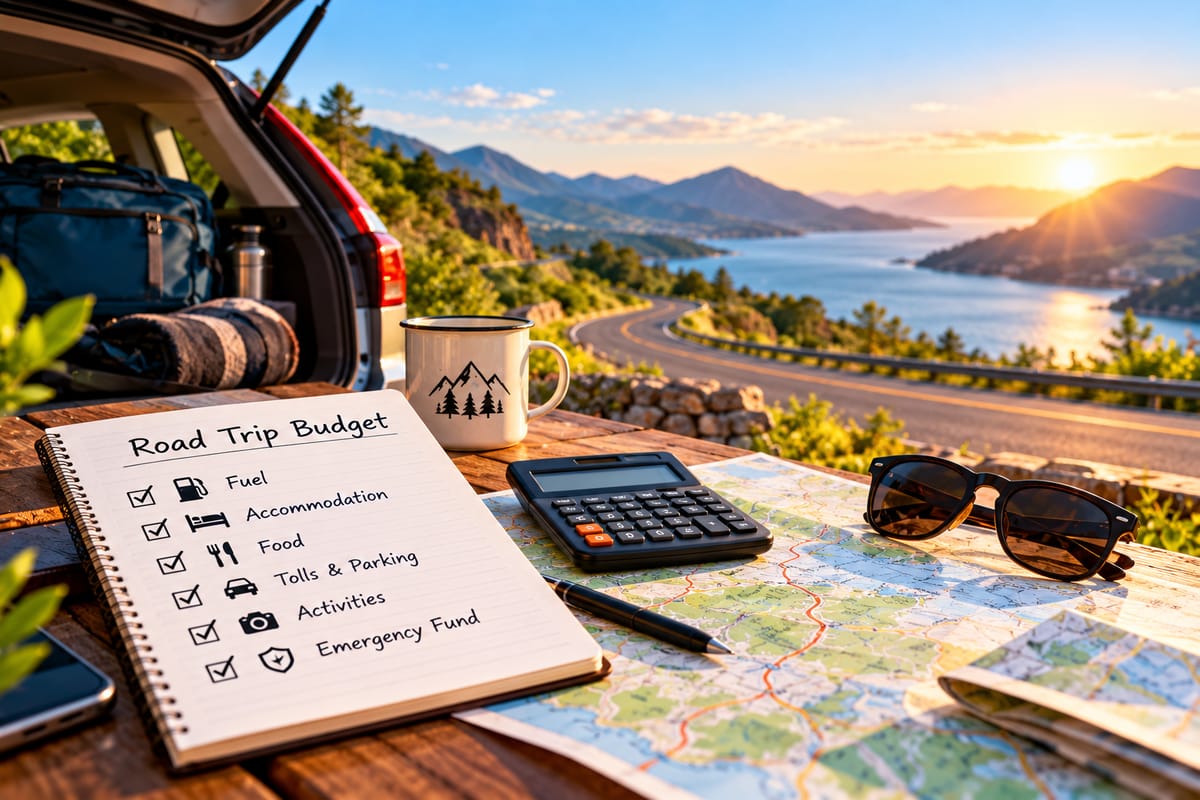
Budget for Nature Travel
Nature-focused trips can range from inexpensive camping journeys to premium lodge experiences.
Your budget may include:
- Transportation
- Accommodation
- Park fees
- Permits
- Guides
- Equipment
- Food
- Insurance
- Local transportation
- Activities
Remote destinations can sometimes involve higher transportation costs, so calculate the complete trip rather than looking only at accommodation prices.
Research Equipment Before Buying It
You do not necessarily need expensive equipment for a nature-focused trip.
Before purchasing specialized gear, consider whether you can:
- Rent it
- Borrow it
- Use existing equipment
- Choose a simpler alternative
The right equipment is the equipment that suits the activity, environment, and traveler.
Respect Local Communities
Natural areas are often connected to communities that have lived in or around them for generations.
Travelers should respect:
- Local customs
- Private property
- Community rules
- Cultural practices
- Sacred areas
- Local livelihoods
Nature-focused travel becomes more meaningful when visitors understand that landscapes are not simply recreational spaces.
Learn Before You Go
Research can significantly improve the experience.
Before departure, learn about:
- Local ecosystems
- Geography
- Wildlife
- Weather
- History
- Conservation efforts
- Local communities
- Visitor regulations
You do not need to become an expert. Even basic knowledge can help you understand what you are seeing.
Keep the Experience Flexible
The natural world is unpredictable.
You may plan to see a particular animal and never encounter it. A trail may offer a better view than expected. A sudden weather change may completely alter your plans.
Rather than measuring the trip only by whether every planned activity happened, allow yourself to appreciate what the destination actually offers.
A Practical Nature Travel Checklist
Before departure, consider the following:
Destination
- What natural environment do I want to experience?
- Is the destination appropriate for my interests?
- What is the best season to visit?
Transportation
- How will I reach the destination?
- How will I move around locally?
- Are roads or trails accessible?
Accommodation
- Is the location convenient?
- Are check-in arrangements clear?
- Does the property suit the type of trip?
Activities
- Which activities require reservations?
- What is the difficulty level?
- How much time will each activity take?
Safety
- What are the major local risks?
- What is the weather forecast?
- Will I have communication access?
- Does someone know my itinerary?
Environmental Responsibility
- What are the local visitor rules?
- How should wildlife be approached?
- Where should waste go?
- Are there conservation guidelines?
Building a Trip Around Nature
A successful nature-focused travel experience begins with matching the destination to the experience you actually want. From there, research geography, seasonal conditions, transportation, accommodation, activities, safety requirements, and environmental rules.
The best plans leave room for uncertainty. Nature cannot always be scheduled, and some of the most memorable experiences may come from moments that were never included in the original itinerary.
By traveling responsibly, supporting local communities, respecting wildlife, and giving yourself enough time to explore without rushing, you can create a trip that is not simply about visiting a beautiful place but about understanding and experiencing the natural environment around you.


2 Comments
Micle harison
June 7, 2019Lorem ipsum dolor sit amet, usu ut perfecto postulant deterruisset, libris causae volutpat at est, ius id modus laoreet urbanitas. Mel ei delenit dolores.
John Doe
June 7, 2019Some consultants are employed indirectly by the client via a consultancy staffing company.