
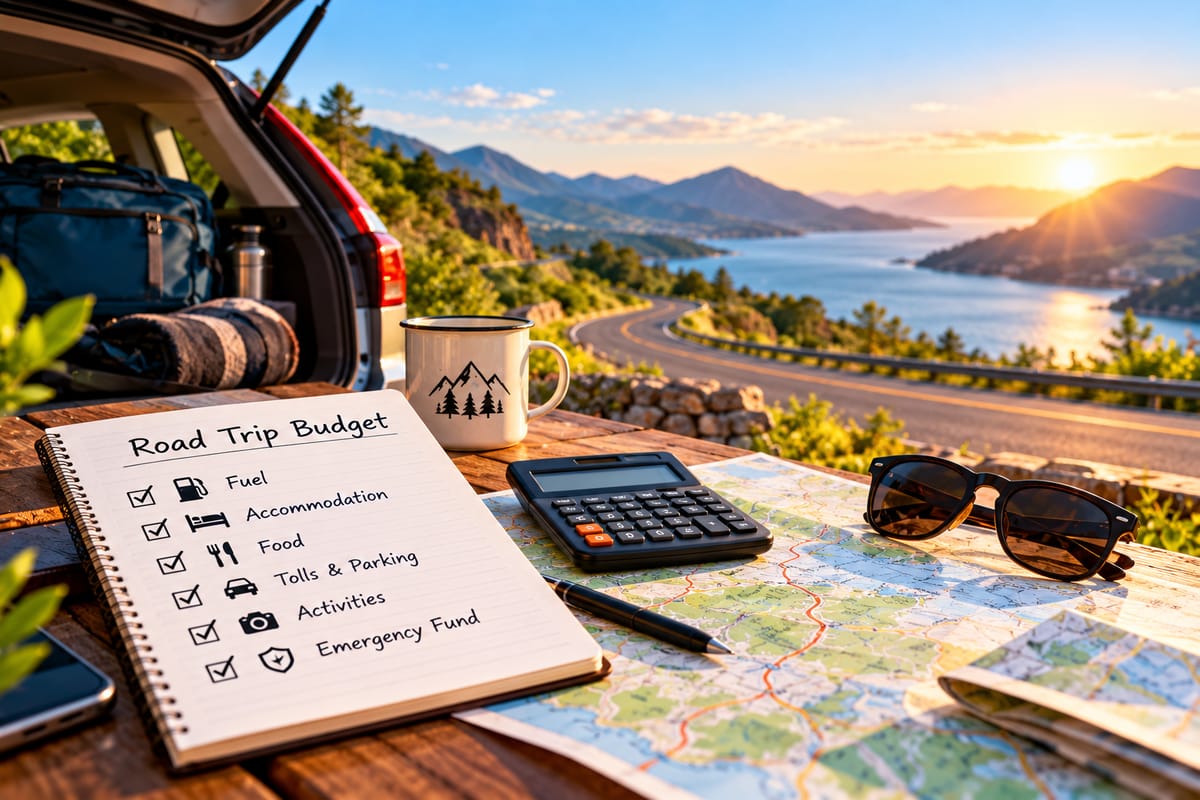
How to Budget for a Road Trip
A road trip can offer flexibility that other forms of travel often cannot. You can choose your route, stop when something catches your attention, change your schedule, and explore places that may be difficult to reach by public transportation.
That flexibility, however, can also make road-trip spending unpredictable. Fuel costs can change with the route, meals can add up quickly, parking fees may appear unexpectedly, and an unplanned overnight stay can significantly increase the total cost.
Creating a road-trip budget before leaving helps turn those variables into manageable estimates. Instead of focusing only on how much money is available for the trip, a useful budget breaks expected costs into categories and leaves room for unexpected expenses.
Start With the Overall Trip Budget
Begin by deciding how much you can reasonably allocate to the entire road trip.
This amount should reflect your broader financial situation rather than simply the amount currently sitting in a bank account. A vacation budget should not leave you unable to cover regular bills or important financial obligations after returning home.
Once you establish a maximum amount, divide it among major categories such as:
- Fuel
- Accommodation
- Food and drinks
- Tolls
- Parking
- Vehicle maintenance
- Activities and attractions
- Travel insurance
- Emergency expenses
- Miscellaneous purchases
This creates a framework for deciding how much you can spend in each area.
For additional strategies for keeping travel costs under control, see The Ultimate Guide to Budget Travel.
Estimate the Total Driving Distance
Fuel is one of the most important costs to estimate for a road trip.
Start by calculating the approximate distance of your planned route. Include the distance between major destinations as well as reasonable estimates for local driving once you arrive.
If your route is 1,500 kilometers, for example, do not assume you will drive exactly 1,500 kilometers. Detours, sightseeing, restaurant stops, accommodation changes, and local exploration can increase the actual distance.
Adding a modest buffer to the estimated mileage can make the fuel budget more realistic.
Calculate Fuel Costs
Once you have an estimated distance, determine how much fuel your vehicle is likely to use.
You can use the vehicle’s approximate fuel economy and the expected price of fuel along the route.
A simplified calculation looks like this:
Estimated fuel cost = total distance ÷ vehicle fuel efficiency × fuel price
For example, if a vehicle consumes approximately 8 liters of fuel per 100 kilometers, you can estimate the number of liters needed for the planned distance and multiply that amount by the expected fuel price.
Because fuel prices can vary between locations, it is sensible to leave some room in the budget rather than relying on a single price.
Account for Local Driving
One of the easiest road-trip expenses to underestimate is driving after reaching a destination.
You may plan to drive from one city to another but then spend several days driving between beaches, parks, restaurants, attractions, and nearby towns.
These smaller journeys can add hundreds of kilometers to the trip.
When creating your fuel estimate, consider how much driving you expect to do at each destination rather than calculating only the distance between overnight stops.
Include Tolls and Road Fees
Depending on the route, you may encounter toll roads, bridges, tunnels, congestion charges, or other road-related fees.
Research the planned route before leaving and identify major charges where possible.
If you are still deciding between routes, compare both the direct cost and the potential time savings. A toll road may reduce driving time, while a free alternative may take longer but cost less.
Neither option is automatically better. The choice depends on your priorities, schedule, and budget.
Budget for Accommodation
Accommodation can become one of the largest expenses on a multi-day road trip.
Estimate the number of nights you expect to spend away from home and determine a realistic average nightly cost.
Your options might include:
- Hotels
- Motels
- Guesthouses
- Hostels
- Vacation rentals
- Campsites
- Lodges
- Staying with friends or relatives
Do not calculate the accommodation budget using only the cheapest available room. Consider taxes, cleaning charges, parking fees, resort fees, and other mandatory costs when applicable.
It can also be useful to identify several accommodation options before departure so that you have alternatives if your preferred location becomes unavailable.
Consider How Many Nights You Actually Need
The length of a road trip has a direct effect on its total cost.
Every additional day can mean another night of accommodation, meals, fuel, parking, and activities.
At the same time, making a trip too short can result in long driving days and less time to enjoy destinations.
The right duration depends on the route, driving distance, number of destinations, and purpose of the trip. How Long Should a Trip Be? explores the factors that can help travelers determine an appropriate trip length.
Set a Daily Food Budget
Food costs can be surprisingly difficult to estimate because road trips often involve spontaneous purchases.
Instead of creating one large food allowance, consider setting a daily amount.
Your food budget might cover:
- Breakfast
- Lunch
- Dinner
- Snacks
- Drinks
- Coffee
- Convenience-store purchases
If your accommodation includes breakfast, account for that when estimating daily spending.
You can also reduce costs by bringing snacks, water, and some meals from home where practical.
Plan for Road-Trip Snacks
Small purchases can become a significant expense over several days.
Buying drinks, snacks, coffee, and convenience foods at service stations or tourist stops may cost considerably more than purchasing supplies from a supermarket before departure.
A cooler or insulated bag can make it easier to carry drinks and perishable foods when appropriate.
This does not mean eliminating spontaneous purchases. Instead, having basic supplies available gives you more control over when and where you spend money.
Budget for Attractions and Activities
A road trip often includes activities that are not part of the basic transportation budget.
These might include:
- National parks
- Museums
- Guided tours
- Boat trips
- Scenic attractions
- Amusement parks
- Cultural sites
- Outdoor activities
- Events
Make a list of the activities you consider essential and estimate their costs before leaving.
Then create a separate allowance for optional activities. This gives you flexibility without allowing every spontaneous opportunity to disrupt the entire budget.
Check Parking Costs
Parking is easy to overlook when calculating road-trip expenses.
Hotels may charge for parking, city centers may have paid parking, and popular attractions may require parking fees.
If you are visiting several urban destinations, research parking options ahead of time. Sometimes staying outside a city center and using public transportation can reduce both parking costs and driving stress.
Include parking in the daily or destination-specific budget rather than treating it as an unexpected expense.
Think About Vehicle Maintenance
A road trip places additional mileage and wear on a vehicle.
Before departure, consider whether the vehicle needs routine maintenance. Depending on the vehicle and its service schedule, this might include checking:
- Engine oil
- Tires
- Brakes
- Battery
- Lights
- Fluid levels
- Windshield wipers
- Spare tire or repair equipment
Routine maintenance is not necessarily a travel expense in the same way as fuel or accommodation, but addressing known problems before a long trip can help reduce the risk of costly breakdowns.
Create an Emergency Vehicle Fund
Even a well-maintained vehicle can experience problems.
A punctured tire, mechanical failure, towing requirement, or unexpected repair can significantly change a road-trip budget.
Instead of assuming nothing will go wrong, set aside a specific emergency amount.
This reserve should be separate from the money allocated for planned activities. If nothing goes wrong, you can keep the unused funds rather than spending them simply because they were included in the budget.
Consider Travel Insurance
Travel insurance can provide protection against certain unexpected events, depending on the policy.
Coverage varies considerably, so travelers should understand what a policy actually covers, including exclusions, limits, deductibles, medical expenses, trip interruption, baggage, and other relevant provisions.
For road trips, the vehicle itself may require separate coverage considerations from personal travel insurance.
The appropriate coverage depends on the traveler, destination, vehicle, and applicable insurance requirements.
Build a Flexible Miscellaneous Category
No matter how carefully you plan, some expenses will not fit neatly into your original categories.
A miscellaneous allowance can cover things such as:
- Small souvenirs
- Unexpected parking
- Extra snacks
- Minor route changes
- Laundry
- Public transportation
- Small entrance fees
- Unplanned overnight expenses
Without a miscellaneous category, these purchases can make the budget appear to fail even when the overall spending remains reasonable.
Use a Daily Spending Target
A total trip budget is useful, but a daily target can make spending easier to monitor.
For example, instead of simply deciding that you can spend $1,500 on a week-long trip, divide expected costs into daily and fixed expenses.
Fixed expenses might include:
- Accommodation reservations
- Vehicle preparation
- Travel insurance
- Major attraction tickets
Variable expenses might include:
- Fuel
- Meals
- Snacks
- Parking
- Activities
- Shopping
This distinction makes it easier to identify where spending can be adjusted if you begin approaching your overall limit.
Plan the Route Before Calculating the Budget
The route affects almost every major category in a road-trip budget.
A longer route means more fuel. More destinations can mean more accommodation changes. Urban stops can increase parking costs. Remote destinations may have fewer affordable accommodation and dining options.
Creating the route before finalizing the budget therefore makes the estimates more meaningful.
A detailed planning process is covered in How to Plan a Road Trip From Start to Finish.
Compare Different Routes
Sometimes the cheapest route is not the shortest route.
A slightly longer route might include lower accommodation costs or free attractions. A shorter route could involve expensive tolls or higher fuel prices.
When comparing routes, look at the total cost rather than one category.
Consider:
- Distance
- Fuel
- Tolls
- Accommodation
- Parking
- Food
- Attractions
- Driving time
This provides a more realistic picture of what each route could cost.
Consider the Number of Travelers
The number of people in the vehicle can change the economics of a road trip.
Fuel costs may remain relatively similar regardless of whether two or four people are traveling, while food, accommodation, and attraction costs may increase with additional travelers.
On the other hand, several travelers can share certain costs, particularly fuel and accommodation.
When budgeting for a group, decide in advance which expenses will be shared and which will be paid individually.
Include International Road-Trip Costs When Necessary
Cross-border road trips can introduce additional expenses and requirements.
Depending on the countries involved, travelers may need to consider:
- Border fees
- Vehicle documentation
- Insurance requirements
- Currency exchange
- International mobile data
- Road permits
- Tolls
- Different fuel prices
Currency fluctuations can also affect the final cost.
If your road trip forms part of a broader international vacation, the principles in How to Create a Realistic Budget for an International Trip can help you account for expenses beyond the road itself.
Keep an Emergency Cash Reserve
It can be tempting to allocate every dollar of your travel budget to planned expenses.
A better approach is to leave a portion uncommitted.
An emergency reserve can help if:
- Your vehicle needs an unexpected repair
- You need another night’s accommodation
- Fuel costs are higher than expected
- Your route changes
- A planned booking is canceled
- You experience an unexpected personal expense
The reserve provides flexibility without requiring you to rely immediately on credit cards or other forms of borrowing.
Track Spending During the Trip
Budgeting does not stop when the road trip begins.
Keep track of major expenses as you go. You can use a spreadsheet, budgeting application, notes app, or simple written record.
Record categories such as:
- Fuel
- Accommodation
- Food
- Parking
- Tolls
- Activities
- Shopping
- Miscellaneous expenses
Comparing actual spending with your original estimates can help you identify where you are over or under budget.
If accommodation costs more than expected, for example, you may decide to reduce spending on optional activities rather than exceeding your overall limit.
Look for Savings Without Sacrificing the Experience
Reducing costs does not necessarily mean making the trip uncomfortable.
Potential savings can come from relatively simple decisions:
- Booking accommodation in advance
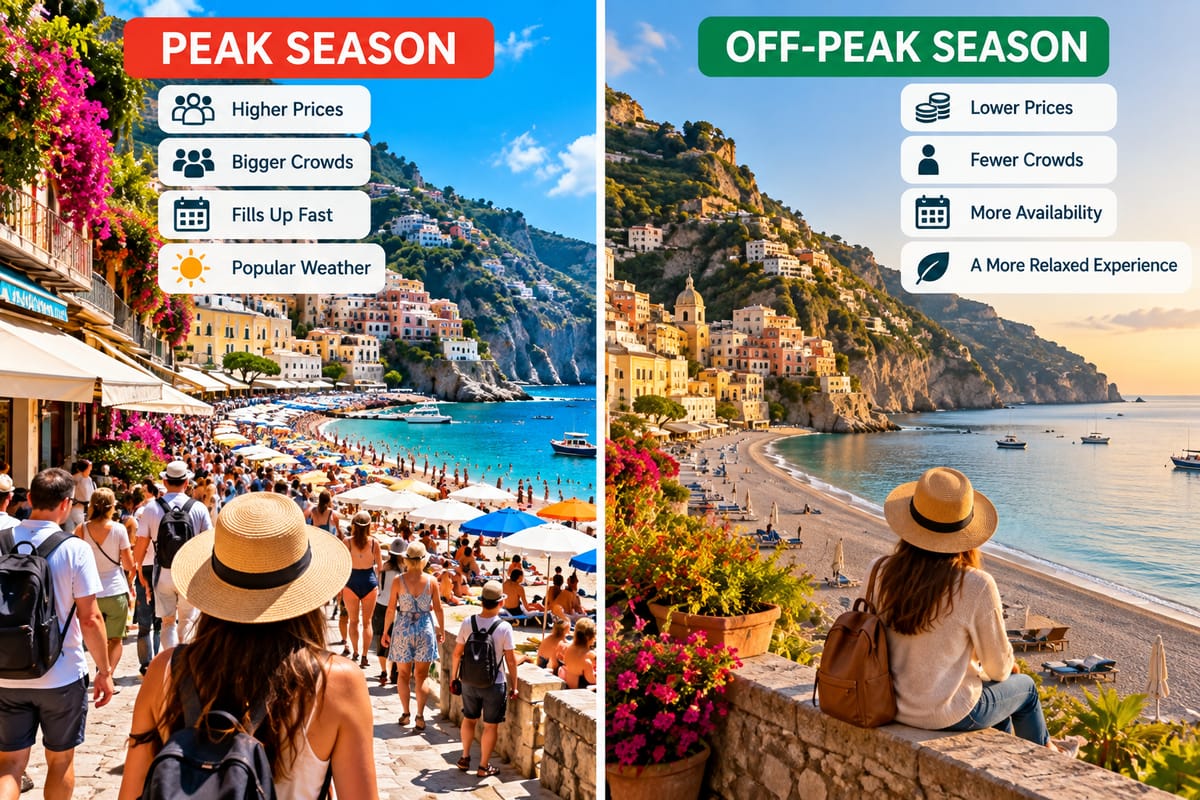
- Traveling outside peak periods
- Comparing fuel prices
- Preparing some meals
- Choosing free or low-cost attractions
- Avoiding unnecessary detours
- Sharing accommodation costs
- Packing snacks and drinks
- Combining several nearby attractions into one stop
- Choosing routes strategically
The goal is to reduce spending that does not contribute much to the experience while protecting the parts of the trip that matter most to you.
Review the Budget Before Departure
A few days before leaving, review the entire budget again.
Check whether:
- Accommodation prices have changed
- Reservations are confirmed
- Fuel estimates remain reasonable
- Road conditions have affected the route
- Attractions require advance booking
- Parking arrangements are understood
- Your emergency reserve is still available
- Your vehicle is ready for the journey
This final review can catch problems before they become expensive surprises.
A Simple Road-Trip Budget Template
A basic road-trip budget can be organized like this:
| Expense | Estimated Cost | Actual Cost |
|---|---|---|
| Fuel | $___ | $___ |
| Accommodation | $___ | $___ |
| Food | $___ | $___ |
| Tolls | $___ | $___ |
| Parking | $___ | $___ |
| Activities | $___ | $___ |
| Vehicle maintenance | $___ | $___ |
| Insurance | $___ | $___ |
| Miscellaneous | $___ | $___ |
| Emergency reserve | $___ | $___ |
| Total | $___ | $___ |
The exact categories can be adjusted depending on the trip.
Build the Budget Around the Experience You Want
A road-trip budget should make the journey more predictable without removing the flexibility that makes road travel appealing.
Start with the route and trip length, estimate major fixed and variable expenses, and then add a realistic emergency reserve. Fuel, accommodation, food, tolls, parking, activities, and vehicle costs should all have a place in the plan.
Most importantly, treat the budget as a planning tool rather than a restriction. Knowing what the trip is likely to cost allows you to decide where to spend freely, where to economize, and how much flexibility you can afford when the unexpected happens.




2 Comments
Micle harison
June 7, 2019Lorem ipsum dolor sit amet, usu ut perfecto postulant deterruisset, libris causae volutpat at est, ius id modus laoreet urbanitas. Mel ei delenit dolores.
John Doe
June 7, 2019Some consultants are employed indirectly by the client via a consultancy staffing company.