
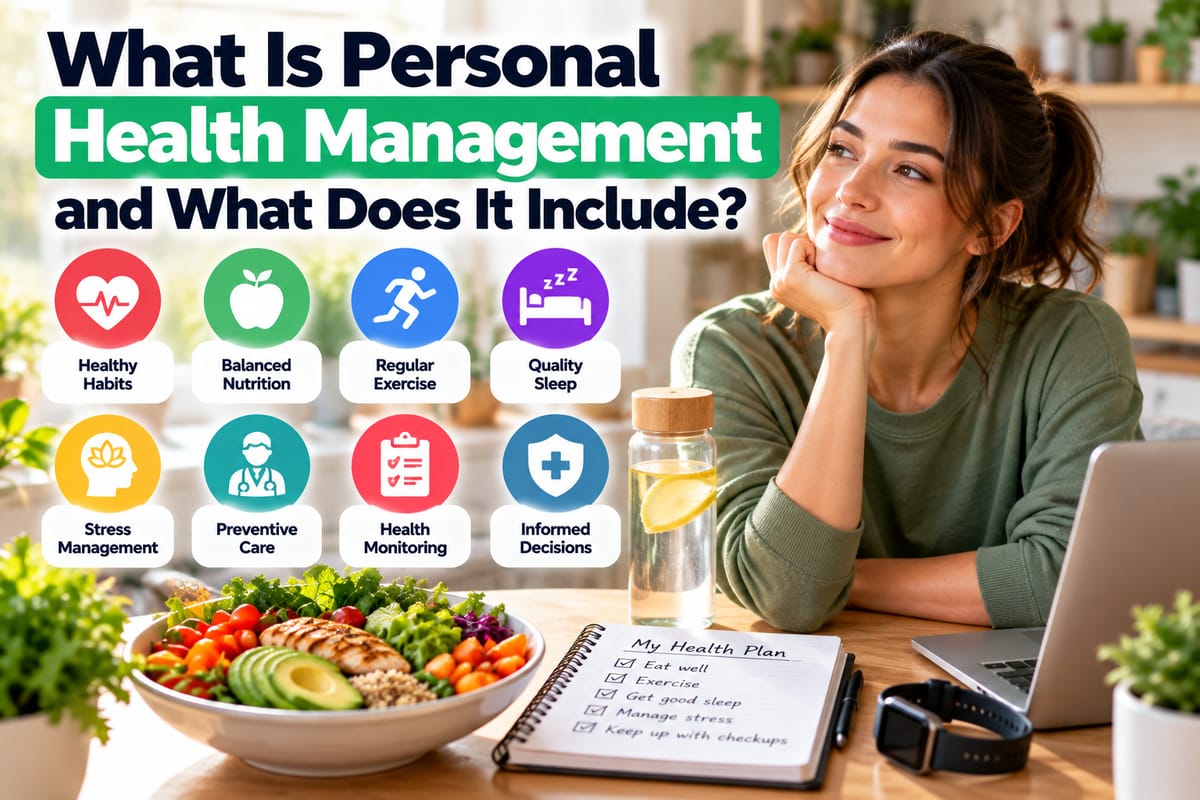
What is personal health management and what does it include
Personal health management is the ongoing process of understanding your health, making informed decisions, using healthcare services appropriately, and taking practical steps to support physical and mental well-being.
It goes beyond simply visiting a doctor when something feels wrong. Effective personal health management can include preventive care, healthy daily habits, medication management, health records, communication with healthcare professionals, understanding health information, and recognizing when professional advice may be necessary.
The goal is not to control every aspect of health or eliminate every possible risk. Instead, personal health management helps people become more informed and organized participants in their own healthcare.
What Is Personal Health Management?
Personal health management refers to the collection of activities and decisions people use to maintain, monitor, and improve their health over time.
It can involve both everyday choices and interactions with the healthcare system.
Examples include:
- Eating a balanced diet
- Staying physically active
- Getting adequate sleep
- Managing stress
- Attending recommended health screenings
- Keeping track of medications
- Understanding personal health information
- Preparing for medical appointments
- Following treatment instructions
- Monitoring relevant health measurements
- Maintaining useful health records
- Knowing when to seek professional care
Personal health management is therefore broader than lifestyle management. It connects everyday behavior with preventive healthcare, medical care, health information, and long-term planning.
Why Personal Health Management Matters
Health can be influenced by many factors, including genetics, environment, behavior, access to healthcare, socioeconomic circumstances, and exposure to risk factors.
People cannot control all of these factors, but they can often make informed decisions about some aspects of their health.
Personal health management can help people:
- Identify health concerns earlier
- Stay organized when receiving healthcare
- Make better-informed decisions
- Communicate more effectively with healthcare professionals
- Follow preventive care recommendations
- Understand medications and treatment instructions
- Build healthier daily routines
- Recognize changes that may warrant professional attention
It can also reduce the likelihood of overlooking routine healthcare tasks, such as appointments, screenings, medication refills, or vaccinations.
The Main Components of Personal Health Management
Personal health management does not follow exactly the same structure for everyone. Individual needs vary according to age, circumstances, family history, existing conditions, lifestyle, and healthcare recommendations.
However, several major components apply broadly.
Preventive Healthcare
Preventive healthcare focuses on reducing health risks and identifying potential problems before they become more serious.
Depending on a person’s circumstances, preventive care can include:
- Routine medical checkups
- Recommended screenings
- Immunizations
- Dental care
- Vision examinations
- Health risk assessments
- Preventive counseling
The appropriate schedule for preventive services varies by age, sex, personal circumstances, risk factors, and healthcare guidance.
This is why preventive care should be viewed as an ongoing process rather than a single annual appointment.
Healthy Daily Habits
Everyday behavior can play an important role in maintaining health.
Personal health management may include paying attention to:
- Nutrition
- Physical activity
- Sleep
- Hydration
- Stress management
- Alcohol consumption
- Tobacco and nicotine exposure
- Social connection
- Personal safety
These areas often interact with one another. For example, poor sleep may make it harder to maintain healthy eating or exercise habits, while chronic stress can affect routines and overall well-being.
The objective is not necessarily to make every habit perfect. Sustainable improvements are often easier to maintain than extreme changes.
Nutrition and Personal Health Management
Nutrition is another important part of personal health management because food provides energy and nutrients needed for normal bodily functions.
A balanced approach generally involves considering:
- Variety of foods
- Fruits and vegetables
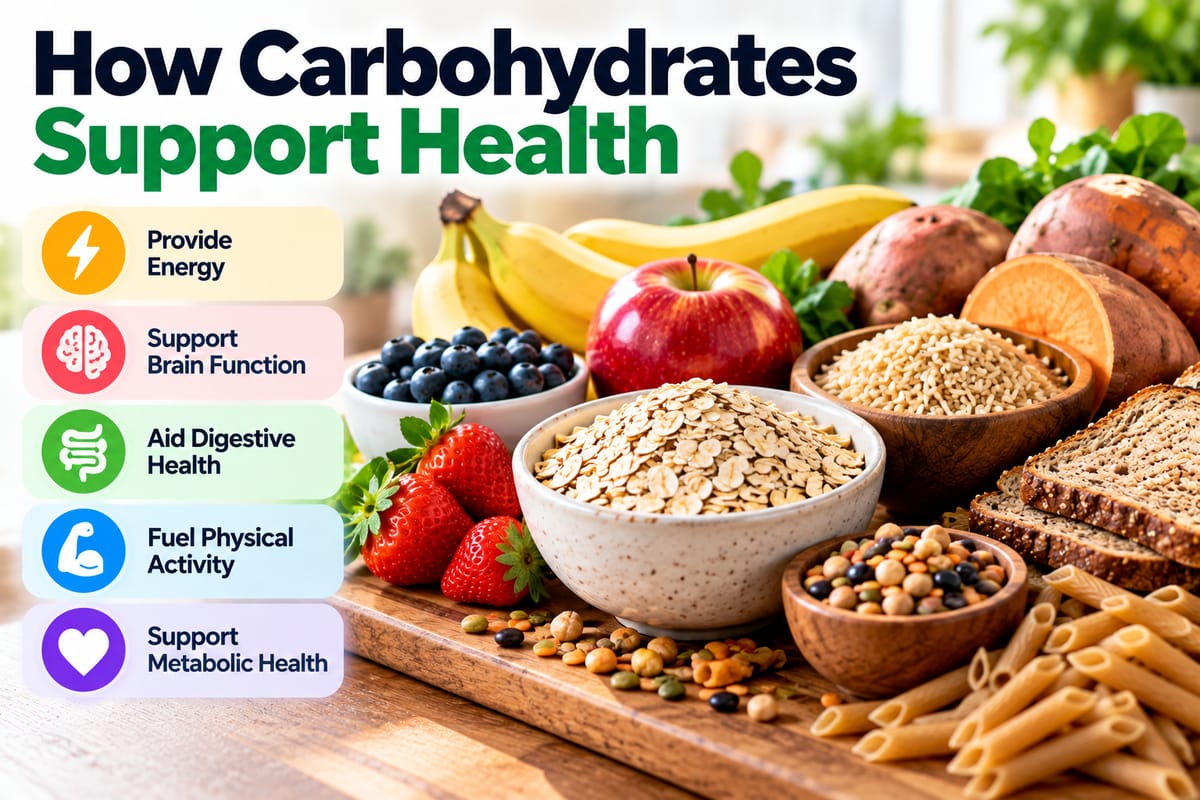
- Whole grains
- Protein sources
- Healthy fats
- Appropriate portions
- Adequate fluids
- Individual nutritional needs
Nutrition needs differ considerably between individuals. Age, activity level, medical circumstances, dietary preferences, and other factors can influence appropriate dietary choices.
Personal health management therefore involves learning enough about nutrition to make informed everyday decisions while recognizing when personalized guidance from a qualified professional may be appropriate.
Physical Activity
Regular physical activity is another major component of health management.
Physical activity can include structured exercise as well as everyday movement such as walking, household activities, cycling, or active transportation.
A balanced activity routine may involve different types of movement, including:
- Aerobic activity
- Strength exercises
- Balance activities
- Flexibility and mobility work
The appropriate amount and intensity of activity can vary between individuals. Someone beginning an exercise routine may need a very different approach from an experienced athlete or someone returning to activity after an extended period of inactivity.
Personal health management means considering those differences rather than assuming one exercise routine works for everyone.
Sleep and Recovery
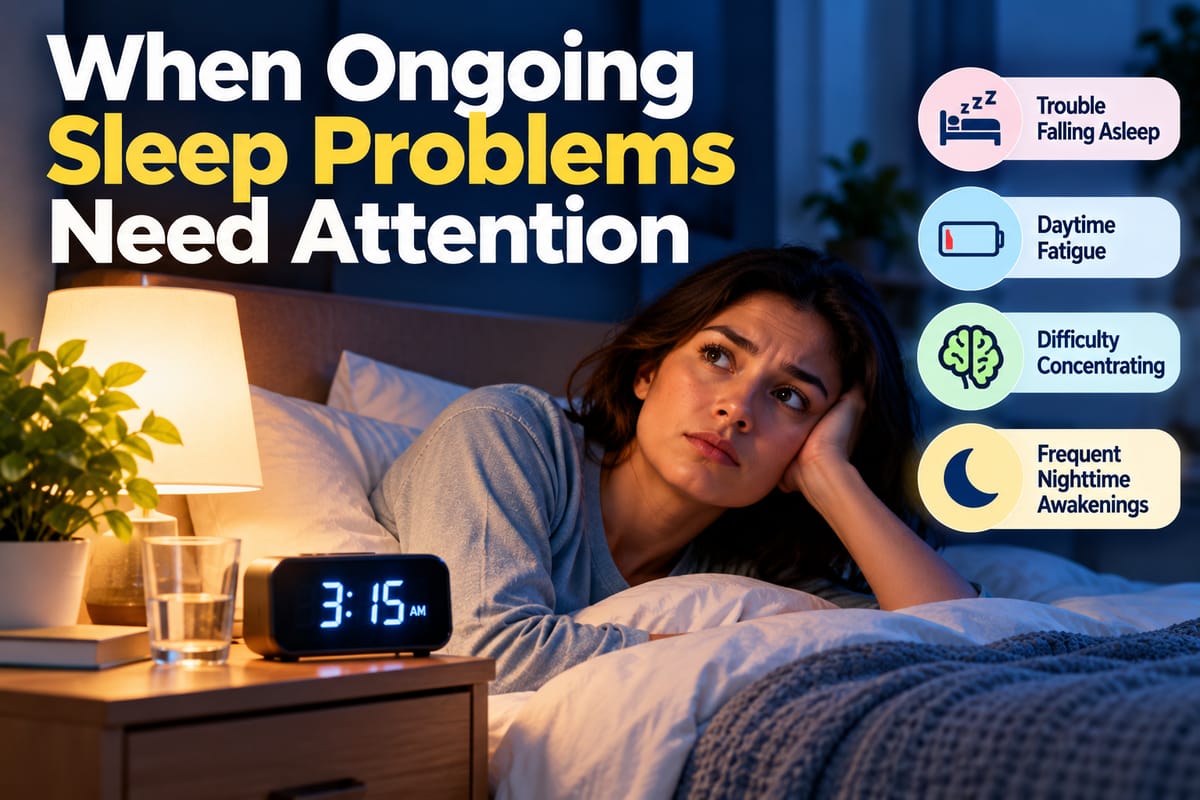
Sleep is often overlooked when people think about managing their health, but adequate rest is an important part of overall well-being.
Good sleep management can involve:
- Maintaining a reasonably consistent sleep schedule
- Creating a comfortable sleeping environment
- Limiting activities that interfere with sleep
- Paying attention to persistent sleep difficulties
- Seeking professional advice when appropriate
Occasional poor sleep is common. Persistent or disruptive sleep problems, however, may warrant discussion with a healthcare professional.
Stress and Emotional Well-Being
Personal health management also includes emotional well-being.
People may use different strategies to manage everyday stress, such as:
- Physical activity
- Relaxation exercises
- Time outdoors
- Social connection
- Hobbies
- Structured routines
- Mindfulness practices
- Adequate rest
These strategies are not substitutes for professional mental healthcare when someone is experiencing significant or persistent difficulties.
Recognizing when additional support may be needed is itself an important part of responsible health management.
Health Literacy
Being able to find, understand, evaluate, and use health information is a major part of personal health management.
This is known as health literacy.
A person with stronger health literacy may be better equipped to understand medical instructions, evaluate health claims, prepare questions for healthcare professionals, and distinguish reliable information from misleading or unsupported claims.
How Health Literacy Helps People Make Informed Health Decisions explores why these skills matter when people are making decisions about their health.
Health literacy does not mean becoming an expert in medicine. It means developing enough understanding to participate meaningfully in healthcare decisions.
Managing Medications Safely
For people who take medications, medication management can become an important part of personal health management.
Useful organizational practices can include:
- Keeping an up-to-date medication list
- Knowing the names and purposes of medications
- Following prescribed instructions
- Tracking refills
- Asking questions about unfamiliar instructions
- Informing healthcare professionals about current medications
- Avoiding changes to prescribed treatment without appropriate professional guidance
It can also be helpful to keep information about supplements and over-the-counter products available when discussing medications with healthcare professionals.
Medication decisions should be based on professional guidance rather than assumptions or advice from unverified sources.
Keeping Personal Health Records Organized
Health information can accumulate over many years.
Depending on individual circumstances, useful records may include:
- Medical history
- Medication lists
- Allergies
- Vaccination records
- Screening results
- Laboratory results
- Imaging reports
- Healthcare provider information
- Relevant family health history
Keeping this information organized can make it easier to provide accurate information during healthcare visits.
Digital health portals may make some records easier to access, but people should still pay attention to privacy and account security.
Preparing for Healthcare Appointments
Healthcare appointments are another important part of personal health management.
A little preparation can make it easier to communicate concerns and remember important questions.
Before an appointment, a person may want to:
- Write down symptoms or concerns
- Note when a problem began
- Record relevant changes
- Prepare questions
- Bring a current medication list
- Review previous instructions
- Gather relevant medical records
- Consider what they want to accomplish during the visit
For practical guidance, How to Prepare for a Healthcare Appointment explains ways to organize information and questions before speaking with a healthcare professional.
Good preparation does not guarantee a particular medical outcome, but it can make communication more efficient and help ensure important concerns are discussed.
Understanding Health Recommendations
People encounter health recommendations from many different sources, including healthcare professionals, government agencies, research organizations, news outlets, social media, and commercial websites.
These recommendations do not all have the same evidentiary foundation.
Personal health management therefore involves learning how to distinguish between:
- Evidence-based recommendations
- Professional opinions
- Preliminary research
- Personal experiences
- Marketing claims
- Unsupported health claims
Scientific evidence is one important foundation for reliable health guidance. How Scientific Evidence Is Used to Develop Reliable Health Recommendations explains how evidence can contribute to the development of health recommendations.
Understanding the difference between evidence and anecdote can help people make more informed decisions without assuming that every health question has a simple answer.
Creating a Healthy Home Environment
Health management does not happen only inside a doctor’s office.
The home environment can influence everyday behaviors and exposure to potential risks.
A health-conscious home may involve attention to:
- Indoor air quality
- Cleanliness
- Food storage
- Safe drinking water
- Lighting
- Noise
- Temperature
- Household chemicals
- Fall prevention
- Fire safety
- Sleep environment
For a broader look at how the home environment can support everyday well-being, The Complete Guide to Healthy Home Living provides a useful foundation.
Small environmental changes can sometimes make healthy behaviors easier to maintain.
Monitoring Health Without Becoming Obsessed With Numbers
Modern devices can make it easy to track steps, sleep, heart rate, calories, weight, blood pressure, and other measurements.
These tools can provide useful information, but more data does not automatically mean better health management.
Measurements should be interpreted in context.
For example, a single reading may not tell the same story as a pattern observed over time. Devices can also have limitations in accuracy, and different technologies may measure different things.
Health tracking should therefore support informed conversations and useful habits rather than create unnecessary anxiety around normal variation.
When a measurement is concerning or unusual, professional medical advice may be more appropriate than attempting to interpret it independently.
How Technology Supports Personal Health Management
Technology has changed the way many people manage health information.
Common tools include:
- Patient portals
- Appointment systems
- Medication reminders
- Fitness trackers
- Health apps
- Digital medical records
- Telehealth services
- Online educational resources
These technologies can make information more accessible and simplify certain administrative tasks.
However, users should also consider privacy, security, data accuracy, and the quality of the information provided by digital health tools.
Technology can support personal health management, but it does not replace professional judgment when medical evaluation or treatment is required.
Setting Realistic Health Goals
Personal health management becomes easier to sustain when goals are specific and realistic.
Instead of setting a vague objective such as “get healthier,” someone might choose a more concrete goal such as:
- Walk regularly during the week
- Establish a consistent bedtime
- Prepare more meals at home
- Schedule overdue preventive care
- Organize medication information
- Drink fluids more consistently
- Reduce a specific unhealthy habit gradually
Goals can also be adjusted as circumstances change.
A useful health-management system should be flexible enough to accommodate work, family responsibilities, travel, illness, changing priorities, and other parts of everyday life.
Common Mistakes in Personal Health Management
Even people who take an active interest in their health can encounter problems.
Relying on Social Media for Medical Decisions
Social media can provide personal experiences and general information, but individual anecdotes are not substitutes for reliable medical evidence or professional evaluation.
Ignoring Preventive Care
Waiting until symptoms appear before thinking about healthcare can cause people to overlook recommended preventive services.
Making Too Many Changes at Once
Attempting to completely change diet, exercise, sleep, stress management, and other habits simultaneously can be difficult to sustain.
Focusing Only on Physical Health
Mental and emotional well-being are also important parts of comprehensive health management.
Keeping Poor Records
Incomplete medication lists or forgotten medical history can make healthcare communication more difficult.
Treating Health Tracking as a Diagnosis
Wearables and health apps can provide useful measurements, but they are not necessarily designed to diagnose medical conditions.
A Practical Personal Health Management Checklist
A simple checklist can help turn health management into an ongoing routine.
Daily
- Eat a varied, balanced diet
- Stay adequately hydrated
- Move regularly
- Pay attention to sleep
- Manage everyday stress
- Take medications as prescribed when applicable
Weekly
- Review physical activity
- Consider meal planning
- Reflect on sleep and recovery
- Make time for social connection
- Address any emerging health concerns
Periodically
- Review health records
- Check medication information
- Schedule appropriate healthcare appointments
- Keep preventive care up to date
- Review health goals
- Discuss persistent concerns with qualified healthcare professionals
The exact schedule will vary depending on individual circumstances and healthcare recommendations.
Personal Health Management Is an Ongoing Process
Personal health management is not a single task or a checklist that can be completed once and forgotten. It is an ongoing process of paying attention to health, understanding reliable information, maintaining useful habits, organizing healthcare information, and seeking appropriate professional support.
The most useful approach is usually practical rather than extreme. Healthy routines, preventive care, informed communication, organized records, and reliable health information can work together to help people take a more active role in their well-being.
Good personal health management ultimately means knowing what you can reasonably manage yourself, understanding when professional guidance is appropriate, and making health decisions based on reliable information rather than guesswork.



2 Comments
Micle harison
June 7, 2019Lorem ipsum dolor sit amet, usu ut perfecto postulant deterruisset, libris causae volutpat at est, ius id modus laoreet urbanitas. Mel ei delenit dolores.
John Doe
June 7, 2019Some consultants are employed indirectly by the client via a consultancy staffing company.