
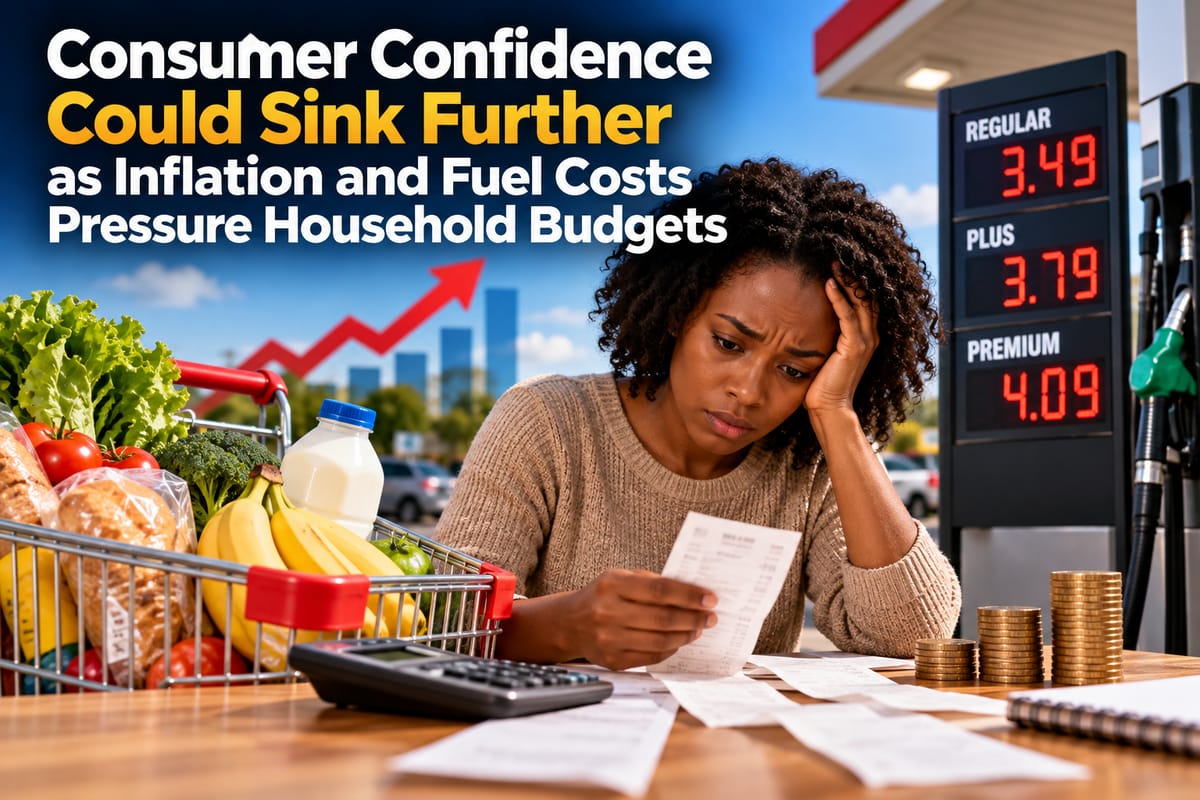
Consumer Confidence Could Sink Further as Inflation and Fuel Costs Pressure Household Budgets
U.S. consumers are heading into the final stretch of September with renewed concerns about inflation, gasoline prices and household finances, putting consumer confidence under fresh pressure.
The University of Michigan’s preliminary September survey showed consumer sentiment falling to 47.8, down from 51.7 in August and 55.1 a year earlier. The decline came as consumers became more concerned about inflation and rising fuel costs, with one-year inflation expectations jumping to 4.6% from 4.0% in August.
The final September sentiment reading is scheduled for release on September 25. As of the preliminary report, expectations had already deteriorated significantly, raising questions about how households may respond if higher energy costs continue to feed into everyday expenses.
For families managing tight budgets, the concern is straightforward: gasoline is only one household expense. Higher fuel costs can also increase transportation, delivery and production costs, potentially putting additional pressure on prices elsewhere.
Consumer Sentiment Has Taken Another Step Lower
The University of Michigan’s preliminary September figures showed declines across its major sentiment measures.
The Index of Consumer Sentiment fell to 47.8 from 51.7, while the Current Economic Conditions Index slipped to 50.9 from 51.9. The Index of Consumer Expectations dropped more sharply, from 51.5 to 45.8.
The year-over-year comparison was also weaker. September’s overall sentiment reading was 13.2% below the level recorded in September 2025.
The decline matters because consumer sentiment captures how households view their current financial circumstances and the economic outlook. It does not directly measure spending, but weaker confidence can influence decisions about major purchases, discretionary spending and financial commitments.
A broader look at these indicators is available in the US Consumer Sentiment Report.
Gasoline Prices Are Becoming a Bigger Budget Concern
Fuel has become an increasingly visible source of financial pressure for American households.
The August Consumer Price Index showed gasoline prices rising 3.9% during the month, accounting for more than one-third of the overall monthly increase in consumer prices. The broader energy index increased 2.1% in August. Overall CPI rose 0.4% during the month and was up 3.4% over the previous 12 months.
That increase came after gasoline prices had declined for two consecutive months.
For households, the effect is immediate. Drivers generally cannot postpone every fuel purchase, particularly when commuting, school transportation, work-related travel and essential errands depend on personal vehicles.
The pressure can also spread beyond the gas station.
Why Higher Fuel Costs Can Reach Other Household Expenses
Fuel is an input into much more than personal transportation.
Trucks, delivery vehicles, agricultural machinery, construction equipment and other forms of transportation rely heavily on petroleum-based fuels. When operating costs increase, businesses may eventually pass some of those costs through to customers.
Diesel prices are particularly important because diesel-powered vehicles play a major role in freight transportation.
Recent analysis from Reuters noted that U.S. diesel prices had risen sharply over the past year and highlighted the importance of diesel to freight and other parts of the economy.
This creates a potential chain reaction:
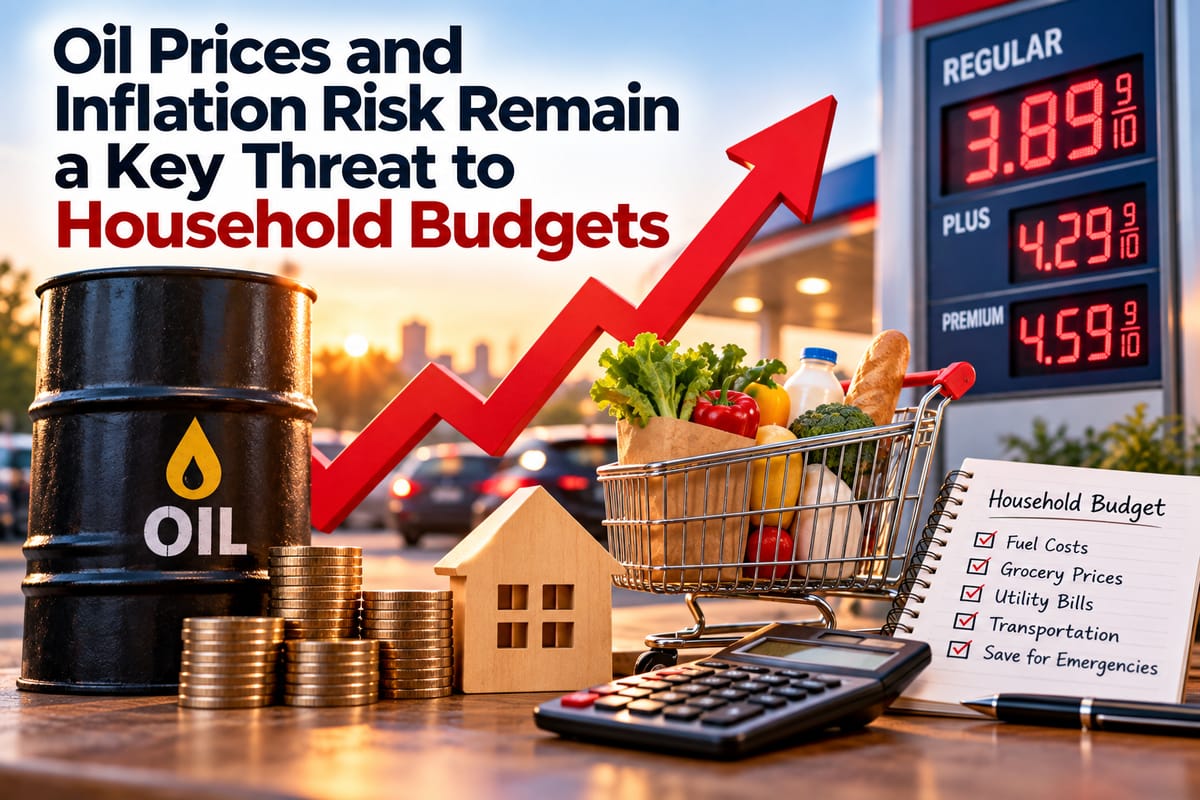
Higher oil prices → higher fuel costs → higher transportation costs → increased business expenses → pressure on consumer prices.
The size and timing of that effect can vary considerably, but it helps explain why consumers may become concerned about fuel prices even before seeing increases across every category of household spending.
For a more detailed look at this relationship, see What Higher Oil Prices Could Mean for Gas Prices, Grocery Costs, Transportation and Household Budgets.
Inflation Is Still Above the Federal Reserve’s Target
The latest inflation data show why price concerns remain prominent.
The U.S. Consumer Price Index increased 3.4% over the 12 months through August, while core CPI, which excludes food and energy, increased 2.4%. On a monthly basis, headline CPI increased 0.4% in August.
The figures illustrate an important distinction for household budgets.
Even when inflation slows, prices do not generally return to their previous levels. Instead, prices continue rising at a slower rate.
A household that has already experienced several years of higher food, housing, transportation and service costs may therefore continue to feel financial pressure even if the monthly inflation rate moderates.
That cumulative effect can influence how consumers view their financial situation.
Inflation Expectations Are Rising Again
One of the more closely watched elements of the September Michigan survey was the increase in consumers’ inflation expectations.
The preliminary survey showed consumers expecting inflation of 4.6% over the next year, compared with 4.0% in August. Five-year inflation expectations also increased, reaching 3.4% from 3.3% previously.
Inflation expectations matter because they can influence household behavior.
Consumers who expect prices to rise may bring forward purchases, postpone discretionary spending, seek cheaper alternatives or attempt to increase savings. Businesses can also respond to expectations about future costs when setting prices and making investment decisions.
If consumers become convinced that higher prices will persist, confidence can weaken even when actual inflation is considerably lower than the expected rate.
Household Budgets Feel the Pressure First
Consumer confidence is an economy-wide measure, but its underlying concerns often begin at the household level.
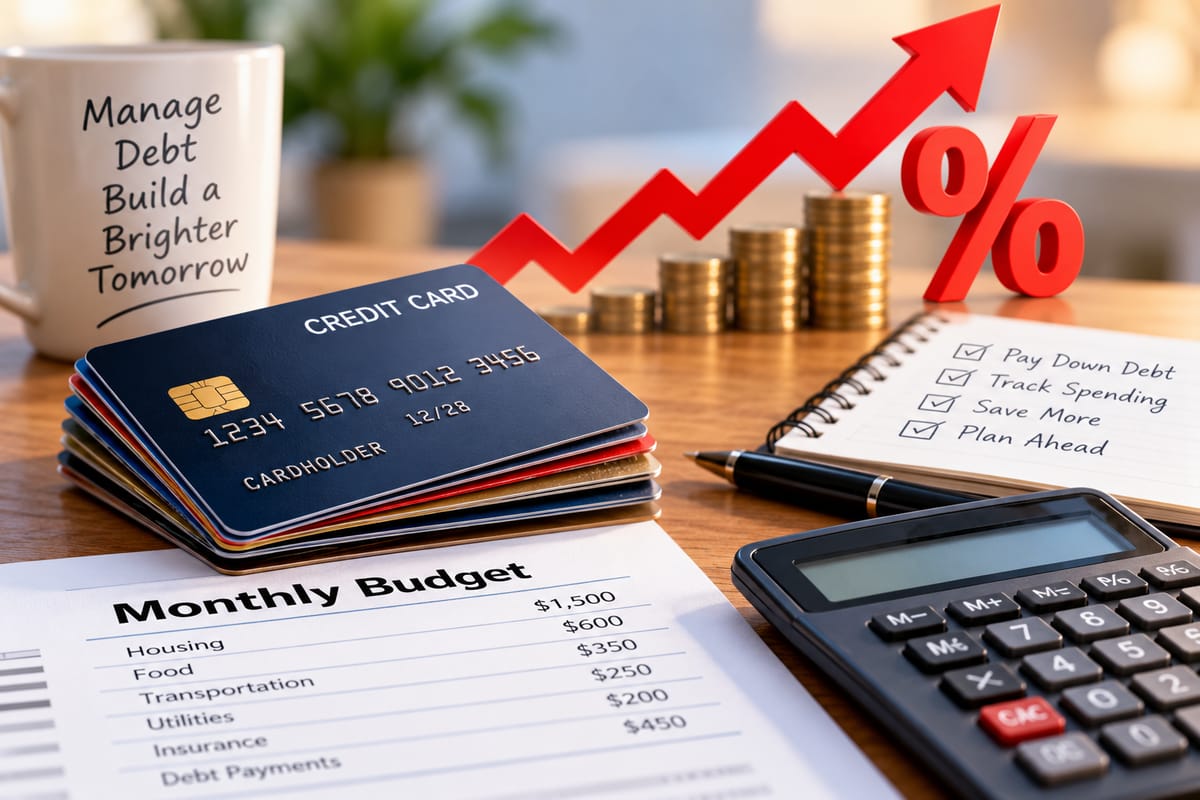
Families have to balance recurring expenses such as:
- Housing
- Food
- Transportation
- Utilities
- Insurance
- Healthcare
- Childcare
- Debt payments
- Education
- Savings
When gasoline prices rise, transportation can take up a larger share of monthly income. If food or utility bills also increase, households may have to reduce spending elsewhere.
This is why inflation can have a different effect on different families.
A household with a large commuting requirement and little financial flexibility may feel a fuel-price increase more quickly than a household that works remotely or relies primarily on public transportation.
The broader relationship between rising prices and family finances is explored in How Inflation Is Affecting Household Budgets.
Consumers May Become More Selective About Spending
When confidence weakens, households do not necessarily stop spending altogether.
Instead, spending patterns can change.
Consumers may become more price-sensitive, compare retailers more carefully, reduce restaurant visits, delay large purchases or switch toward lower-cost products.
That distinction is important because consumer spending remains a major part of U.S. economic activity.
A household may still purchase necessities while cutting back on discretionary items. Across millions of households, however, those individual decisions can influence retailers, restaurants, travel companies and other consumer-facing businesses.
Major Purchases Can Become Easier to Delay
Some spending decisions are more flexible than others.
Replacing a broken refrigerator may be unavoidable. Buying new furniture, upgrading a vehicle or taking an expensive vacation may be easier to postpone.
When consumers become less confident about future income and prices, major discretionary purchases can therefore receive additional scrutiny.
The preliminary Michigan survey showed the Expectations Index falling substantially in September, indicating that consumers’ outlook for future economic conditions had weakened.
That does not mean every household will reduce spending. It means the financial environment is becoming more uncertain for many consumers.
Higher Fuel Prices Can Affect Lower-Income Households Differently
Fuel costs can have a particularly noticeable impact on households with limited room in their budgets.
A household with substantial fixed expenses may not be able to absorb a sudden increase in transportation costs without reducing spending elsewhere.
This can create difficult choices between essential categories.
For example, a family facing higher gasoline costs may have to reduce restaurant spending, delay a household purchase or draw more heavily on savings.
The effect becomes more significant when several costs rise at the same time.
Savings Can Become More Important During Periods of Uncertainty
Periods of higher inflation and weaker consumer confidence can highlight the importance of maintaining an emergency financial buffer.
Savings provide households with an alternative to immediately relying on credit when an unexpected expense appears.
However, building savings can also become more difficult when everyday expenses consume a larger share of income.
This creates a tension for many families: the same rising costs that make emergency savings more important can also make those savings harder to build.
Consumer Confidence Does Not Tell the Whole Economic Story
Weak sentiment should not automatically be interpreted as proof that the economy is contracting.
Consumer confidence is based on survey responses and perceptions, while other economic indicators measure actual spending, employment, production and income.
The distinction is particularly relevant in the current environment.
August retail sales, for example, increased 1.2% after a revised 0.5% decline in July, according to Commerce Department data reported by the Associated Press.
That suggests consumers can remain active even while expressing considerable concern about the economy.
In other words, households can feel financially uneasy while continuing to purchase necessities and other goods.
The Fed Is Also Watching Inflation Pressure
The Federal Reserve has to balance inflation against economic activity and employment when setting monetary policy.
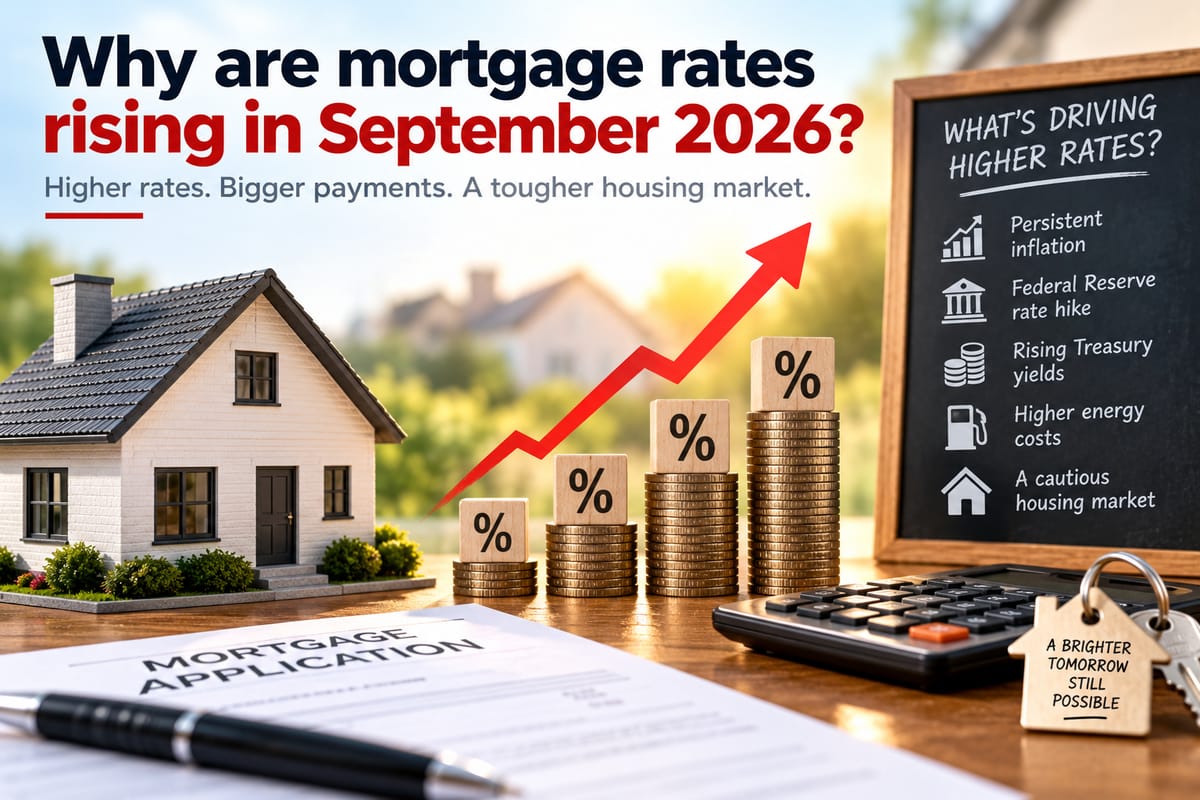
At its September meeting, the Fed raised its benchmark interest-rate range by a quarter percentage point to 3.75%-4.00%. Federal Reserve officials have continued to emphasize concerns about persistent inflation and the possibility that energy and other supply shocks could keep price pressures elevated.
Higher interest rates can make borrowing more expensive for consumers, businesses and prospective homebuyers.
That can create another channel through which inflation affects household budgets.
A family already dealing with higher fuel and food costs may have less flexibility to absorb increased credit-card interest, auto-loan costs or other borrowing expenses.
Why Consumer Confidence Could Remain Fragile
Several forces are converging around household finances.
Fuel prices have increased, inflation remains above the Federal Reserve’s 2% target, and consumers’ near-term inflation expectations have risen.
At the same time, households are dealing with the cumulative effect of previous price increases.
The preliminary September sentiment reading suggests these concerns are already influencing consumer perceptions. Whether sentiment deteriorates further will depend on how prices, fuel costs, employment conditions and household income develop.
The final September Michigan survey, due later on September 25, will provide an updated measurement of consumer attitudes for the month.
What Households Can Watch in the Coming Weeks
For consumers trying to understand where household finances may be heading, several indicators deserve attention.
Gasoline prices
Fuel prices can affect household transportation expenses directly and influence costs elsewhere through freight and production.
Food prices
Food represents a recurring expense that households cannot easily eliminate, making sustained price increases particularly noticeable.
Inflation
The headline CPI and underlying inflation measures provide information about how quickly consumer prices are changing.
Interest rates
Federal Reserve policy affects borrowing costs and can influence mortgages, credit cards, auto loans and other forms of household credit.
Employment and income
A household’s ability to absorb higher prices depends heavily on whether income is keeping pace with expenses.
Consumer sentiment
Confidence surveys provide an early indication of how households perceive their financial situation and future economic conditions.
The Household Budget Remains the Key Pressure Point
The latest U.S. consumer data show that inflation and fuel prices are not simply abstract economic statistics. They are affecting how households think about their purchasing power and financial future.
September’s preliminary Michigan sentiment reading of 47.8, combined with a sharp increase in one-year inflation expectations to 4.6%, shows that price concerns remain deeply embedded in consumer attitudes.
At the same time, actual spending has remained more resilient than sentiment alone might suggest.
That contrast will be important to watch. If households continue spending despite weaker confidence, the economy may retain support from consumer demand. If rising fuel, food and other costs eventually force more families to cut discretionary spending, businesses could begin to feel the effects.
For individual households, the challenge is more immediate: keeping essential expenses under control while preserving enough financial flexibility to handle another period of higher prices.


2 Comments
Micle harison
June 7, 2019Lorem ipsum dolor sit amet, usu ut perfecto postulant deterruisset, libris causae volutpat at est, ius id modus laoreet urbanitas. Mel ei delenit dolores.
John Doe
June 7, 2019Some consultants are employed indirectly by the client via a consultancy staffing company.